
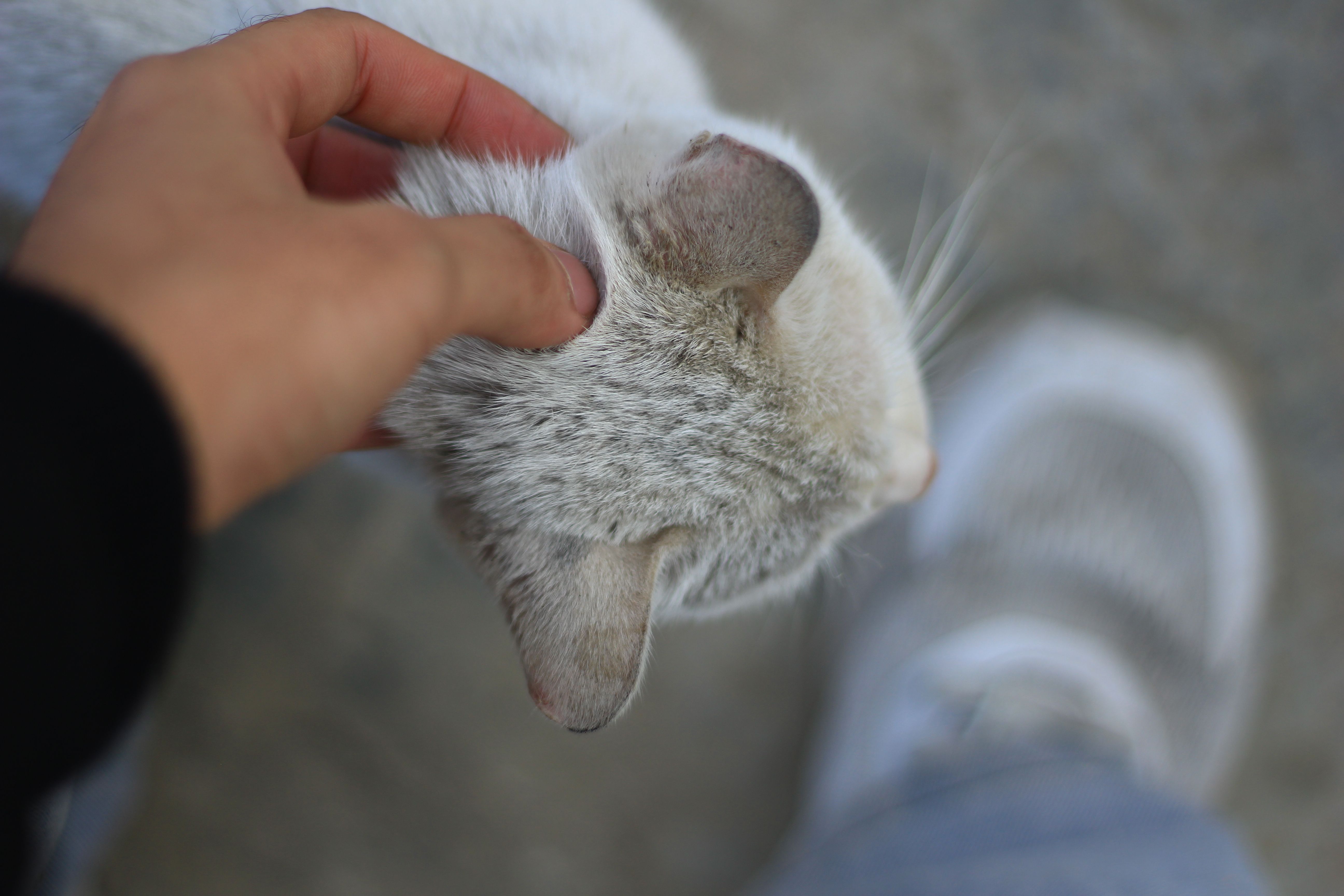

One minute, your cat is happily doing their own thing.
They’re sleeping in a cardboard box they’ve outgrown, ignoring the expensive bed you bought them and judging you from across the room.
Then suddenly… they’re attached to you.
They’re following you into the kitchen. Sitting on your feet. Sleeping on your chest. Waiting outside the bathroom. Possibly even attempting to accompany you on your next trip to the toilet.
And you’re left wondering:
Why is my cat suddenly clingy?
As a veterinary nurse, I’d always pay attention when an owner’s first comment is that their cat’s behaviour has changed. Sometimes, a clingy cat is simply being extra affectionate. But a sudden change in behaviour can occasionally be a sign that something isn’t quite right.
So let’s look at some of the reasons your cat might suddenly be sticking to you like Velcro.
We cover more interesting reasons why your cat might be so clingy in our other blog Why Is My Cat So Clingy? 9 Unexpected Reasons Explained
1. They simply want more attention
Let’s start with the obvious one.
Sometimes your cat is clingy because… they want you.
Cats can be independent creatures, but that doesn’t mean they don’t form strong relationships with their owners. Some cats actively seek out human interaction, particularly when they’re bored, under-stimulated or simply in the mood for attention.
You may notice your cat:
- Following you around the house
- Sitting beside you more often
- Climbing onto your lap
- Rubbing against your legs
- Purring more frequently
- Meowing to get your attention
- Pawing at you
And sometimes there’s no sinister explanation.
Your cat may have simply decided that today is Quality Time With My Human Day.
Unfortunately, they don’t tend to consult your diary first.
If your cat is otherwise eating, drinking, toileting and behaving normally, increased affection may simply be part of their personality.
2. Something has changed at home
Cats are creatures of habit.
They generally like knowing where their food is, where their litter tray is, when dinner happens and which particular patch of sunlight will appear on the carpet at approximately 11:43am.
Even relatively small changes can affect them.
Perhaps you’ve:
- Changed your working hours
- Started working from home
- Moved furniture
- Had visitors
- Introduced another pet
- Changed their food
- Moved their litter tray
- Been away more than usual
- Had building work done
- Changed your daily routine
If your cat suddenly becomes clingy after a change, they may be seeking reassurance.
For example, if you’ve recently returned from holiday, your cat may spend several days following you around.
This isn’t necessarily your cat’s way of saying, “I was emotionally devastated by your absence.”
Although, let’s be honest, they probably want you to think that.
Cats can respond to changes in their environment by becoming more withdrawn, hiding more, vocalising more or seeking additional contact.
3. They could be feeling stressed
Clinginess can sometimes be associated with stress or anxiety.
This can be particularly relevant if your cat’s behaviour has changed alongside other signs.
You might notice:
- Increased vocalisation
- Hiding
- Changes in appetite
- Over-grooming
- Toileting outside the litter tray
- Restlessness
- Irritability
- Changes in sleeping habits
Not every stressed cat hides under the bed.
Some cats become more sociable when they’re worried and seek out their trusted person for reassurance.
Think about what has changed recently.
Has another cat started appearing outside the window?
Has there been a noisy visitor?
Have you introduced a new pet?
Has your routine changed?
Your cat might not be able to tell you what’s bothering them, so changes in behaviour can sometimes be their way of communicating that something isn’t quite right.
4. Your cat might not be feeling well
This is the one I would never want an owner to overlook.
A sudden increase in affection can occasionally be associated with illness or pain.
Cats are notoriously good at hiding signs of illness. As veterinary nurses, we often see cats who have been subtly unwell for some time before their owners realise anything has changed.
A cat that feels unwell may become quieter and hide.
But some cats do the opposite.
They may become unusually affectionate, seek reassurance or want to stay close to their owner.
This is why I wouldn’t look at clinginess in isolation.
Instead, ask yourself:
“What else has changed?”
Are they eating normally?
Are they drinking normally?
Are they using their litter tray?
Are they grooming themselves?
Are they jumping onto furniture as usual?
Are they sleeping more?
Have they started vocalising differently?
Are they vomiting or having diarrhoea?
Have you noticed weight loss?
If your cat is suddenly clingy and showing other changes, it’s worth speaking to your veterinary practice.
5. They’re getting older
Cats can become more dependent on their owners as they age.
Older cats may experience changes in their senses, mobility and cognitive function. They can also become more unsettled by changes in their environment.
You may notice an older cat becoming more vocal, following you more closely or seeking more physical contact.
This doesn’t automatically mean something is wrong.
However, behavioural changes in older cats should still be discussed with your vet because several medical conditions can cause changes in behaviour.
Don’t just assume:
“He’s old, that’s probably why.”
Cats don’t come with an automatic “senior citizen behaviour” setting.
6. They’re bored
Your cat may simply need more stimulation.
Indoor cats in particular can benefit from opportunities to explore, climb, scratch, hunt and play.
And no, buying them a £40 toy and watching them choose the cardboard box it came in does not count as environmental enrichment.
Although your cat may strongly disagree.
Try introducing:
- Short play sessions
- Puzzle feeders
- Food hunts
- Scratching posts
- Cat trees
- Window perches
- Rotating toys
- Safe opportunities to explore
Interactive play is particularly useful.
Several short play sessions throughout the day can be more beneficial than one enormous session where your cat sprints around the house for 45 seconds and then disappears for six hours.
7. They have learned that clinginess gets results
Cats are excellent observers.
If your cat meows, climbs onto you and receives attention every time, they’ve learned something useful:
Human + behaviour = attention.
That doesn’t mean they’re manipulating you in an evil mastermind kind of way.
They’re simply learning what works.
If you respond to their behaviour with fuss, food, play or attention, they may repeat it.
And that’s perfectly fine if both of you are happy with the arrangement.
So, when should you worry?
The important part is whether the clinginess is new and accompanied by other changes.
I’d recommend contacting your vet if your cat suddenly becomes clingy and you also notice things such as:
- Reduced appetite
- Increased thirst
- Changes in toileting
- Vomiting or diarrhoea
- Weight loss
- Reduced mobility
- Excessive grooming
- Hiding
- Increased vocalisation
- Breathing changes
- Lethargy
- Signs of pain
If you’re concerned, it’s always reasonable to contact your veterinary practice for advice.
You know your cat better than anyone.
Should I encourage my clingy cat?
If your cat is otherwise healthy and happy, there’s nothing wrong with giving them attention.
Enjoy it.
Let them sit beside you.
Give them a fuss.
Play with them.
Talk to them.
Just be aware of any changes in their normal behaviour.
Cats can be wonderfully affectionate animals, and having a cat who wants to spend time with you is hardly a terrible problem to have.
Even if they have decided your bladder is an acceptable pillow.
The bottom line
So, why is my cat suddenly clingy?
It could be something completely harmless, such as wanting attention, boredom or a change in routine.
But because cats can hide illness so effectively, a sudden behavioural change shouldn’t automatically be dismissed.
Look at the bigger picture.
If they’re eating, drinking, toileting, grooming and behaving normally, and the only difference is that they’ve suddenly decided you’re their favourite piece of furniture, you may simply have an affectionate cat.
If something else has changed too, it’s worth speaking to your vet.
After all, when it comes to cats, sometimes the most important clue isn’t what they’re doing.
It’s what’s different from normal.




Leave a Reply