

Introduction
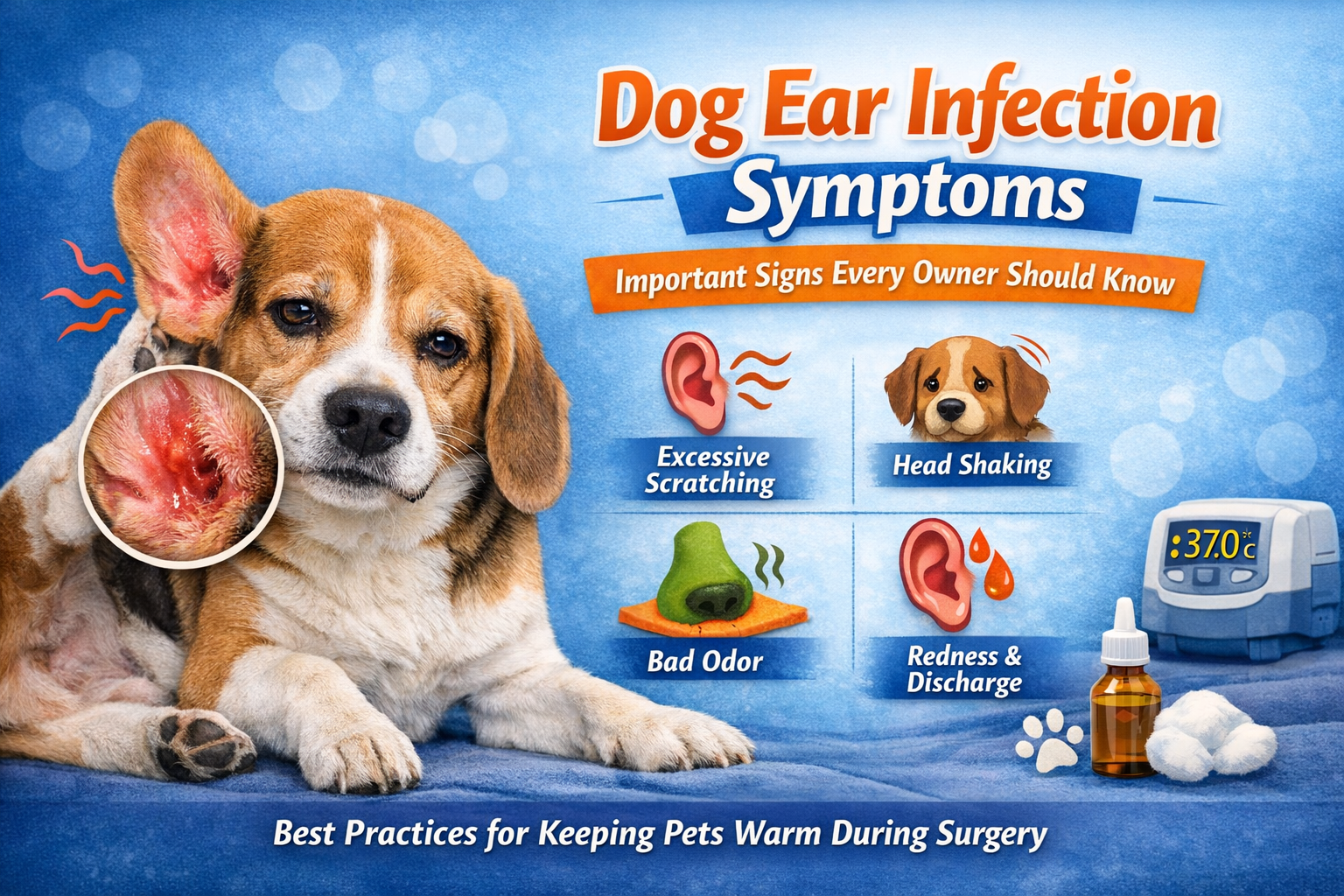
Ear infections are a common problem in dogs and can cause discomfort, pain, and long-term complications if left untreated. Many pet owners ask, what are the dog ear infection symptoms I should watch for? Understanding the early signs helps you act quickly and protect your dog’s health.
Dogs of all breeds can develop ear infections, but certain breeds with floppy ears or hairy ear canals are more prone. Identifying dog ear infection symptoms early allows for timely veterinary intervention and prevents chronic problems.
Read also: How Often Should I Worm My Dog?
1. Head Shaking or Ear Scratching
One of the most obvious dog ear infection symptoms is frequent head shaking or scratching at the ears. Dogs may:
- Shake their head repeatedly
- Rub their ear on furniture or carpet
- Paw at the affected ear
This behaviour is often a sign of discomfort or itching, indicating a possible infection or irritation.
2. Redness or Swelling in the Ear
Visual signs are also important. Check your dog’s ears regularly for:
- Redness in the ear canal
- Swelling or puffiness around the ear
- Warmth when you touch the ear
Redness and inflammation are common indicators of an ear infection, especially when combined with other symptoms.
3. Unpleasant Odour
A foul smell coming from your dog’s ear is a key dog ear infection symptom. Bacterial or yeast infections often produce a distinct odour, sometimes described as musty or cheesy.
If you notice an unusual smell, it’s best to have your dog examined promptly to prevent the infection from worsening.
4. Discharge or Fluid from the Ear
Ear infections may produce discharge. Symptoms include:
- Brown, yellow, or bloody fluid
- Wax build-up that seems excessive or different from normal
- Moist or sticky ear canal
Discharge often accompanies itching, pain, or discomfort and indicates the infection may need veterinary treatment.
5. Pain or Sensitivity
Dogs with an ear infection may show signs of pain when the ear is touched. Look for:
- Flinching when the ear is handled
- Whining or vocalising when the ear is touched
- Reluctance to have the ear examined
Pain is a critical symptom, as untreated infections can worsen and even affect hearing.
6. Balance or Coordination Issues
In severe cases, dog ear infection symptoms can extend beyond the ear canal. Inner ear infections may cause:
- Head tilting
- Loss of balance
- Walking in circles or stumbling
These neurological signs require immediate veterinary attention, as inner ear infections can be serious.
7. Behavioural Changes
Dogs in discomfort may also display behavioural changes, including:
- Irritability or aggression
- Lethargy or reduced activity
- Avoiding being touched
Monitoring behaviour alongside physical symptoms helps identify infections early.
When to See a Veterinarian
If you notice any of these dog ear infection symptoms, it’s important to seek veterinary care. Early treatment often involves cleaning the ear, topical medication, or systemic antibiotics if necessary. Delayed treatment can lead to chronic infections, hearing loss, or more severe complications.
External Resource
For more guidance on recognising and managing ear infections in dogs, see the RSPCA dog health advice page.
Preventing Ear Infections in Dogs
Prevention is an important part of managing dog ear infection symptoms. Regular ear care can reduce the risk of infection, particularly for breeds prone to ear problems. Veterinary nurses and pet owners can help prevent infections by:
- Cleaning ears routinely with a veterinarian-approved solution, especially after swimming or bathing
- Keeping ears dry to avoid a moist environment where bacteria and yeast thrive
- Trimming excess hair in and around the ear canal if recommended by your vet
- Monitoring for early signs such as mild redness or scratching, which allows for prompt intervention
By implementing consistent ear hygiene and monitoring, pet owners can significantly reduce the frequency and severity of ear infections, ensuring their dog remains comfortable and healthy.
Final Thoughts
Being aware of dog ear infection symptoms allows pet owners to act quickly and seek appropriate veterinary care. Regular ear checks, prompt treatment, and monitoring for changes in behaviour or ear appearance can prevent discomfort and long-term problems. Early intervention is key to keeping your dog healthy and comfortable.



Leave a Reply