

Introduction
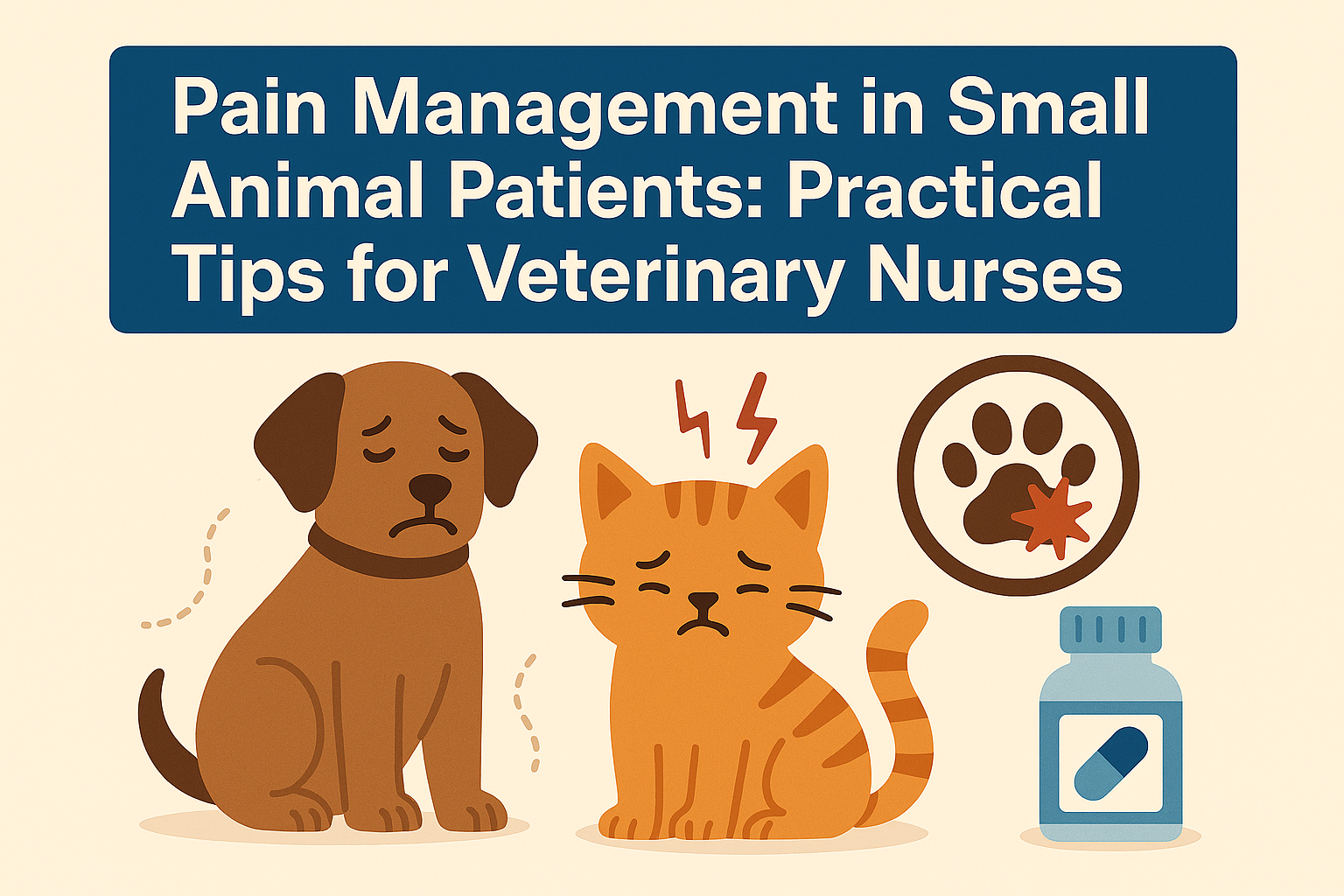
Pain management in small animals is one of the most critical responsibilities of a veterinary nurse. Effective pain control improves recovery, prevents complications, and enhances the patient’s overall wellbeing. Small animals, including dogs and cats, may hide pain signs, making careful assessment and proactive management essential. By understanding practical techniques, veterinary nurses can ensure safe, compassionate, and effective pain control for their patients.
Read also: Patient Warming in Veterinary Anaesthesia: Best Practices
Why Pain Management Matters
Uncontrolled pain can have serious consequences for small animals, including:
- Delayed recovery: Pain may reduce mobility and slow healing.
- Physiological stress: Chronic pain can affect cardiovascular, respiratory, and endocrine systems.
- Behavioural changes: Animals may become aggressive, withdrawn, or fearful.
- Reduced quality of life: Pain impacts appetite, sleep, and overall wellbeing.
Proper pain management in small animals is essential to ensure comfort, speed recovery, and build client confidence in the veterinary team.
7 Practical Tips for Pain Management in Small Animal Patients
1. Regular Pain Assessment
Use validated pain scoring tools such as the Glasgow Composite Pain Scale (dogs) or the Feline Grimace Scale. Assess pain at scheduled intervals and document changes. Understanding subtle behavioural signs—like changes in posture, vocalisation, or grooming—is crucial in pain management in small animals.
2. Individualised Analgesic Plans
Tailor pain relief to each patient’s species, age, weight, health status, and type of surgery or injury. Non-steroidal anti-inflammatory drugs (NSAIDs), opioids, local anaesthetics, or multimodal therapy may be appropriate. Veterinary nurses must administer medications safely and monitor for adverse effects.
3. Multimodal Pain Management
Combining pharmacologic and non-pharmacologic approaches enhances comfort. Techniques may include:
- Thermal therapy (warm packs)
- Gentle massage or physiotherapy
- Acupuncture or laser therapy (where available)
Multimodal strategies strengthen pain management in small animals by reducing reliance on a single drug and improving patient outcomes.
4. Monitor Vital Signs and Behaviour
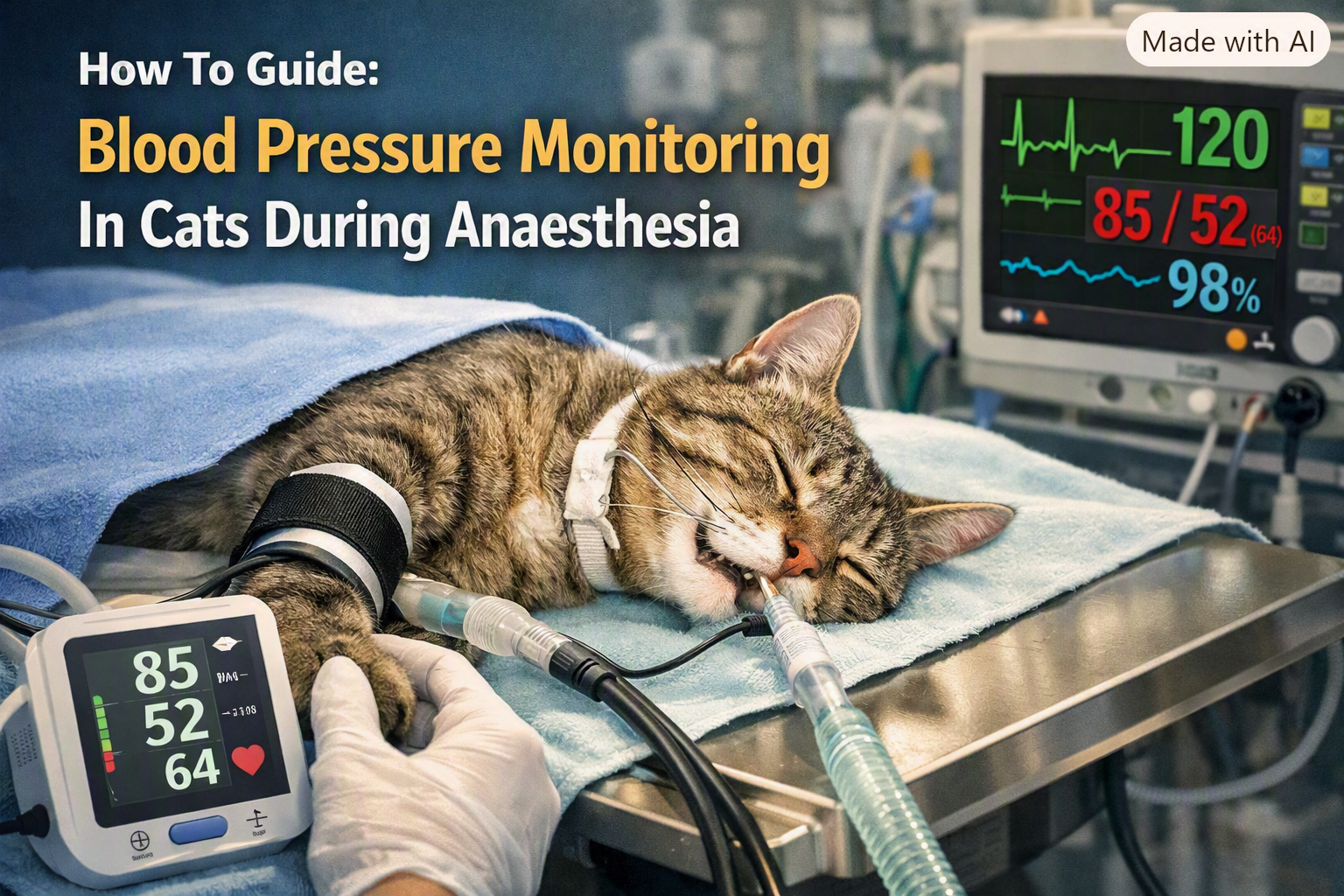
Pain can affect heart rate, respiratory rate, and blood pressure. Regular monitoring allows early detection of complications or inadequate analgesia. Record behavioural indicators such as restlessness, vocalisation, and body posture to adjust pain management protocols as needed.
5. Educate Owners
Client communication is essential. Owners should understand:
- Signs their pet may be in pain
- Proper medication administration
- Activity restriction and safe handling
Educating owners helps maintain pain management in small animals at home and supports long-term recovery.
6. Environment and Comfort
Provide a calm, warm, and quiet environment. Comfortable bedding, minimised handling, and gentle interactions reduce stress and improve pain perception. Environmental modifications are a vital component of pain management in small animals, complementing pharmacologic interventions.
7. Documentation and Team Communication
Accurate, timely records of analgesics, monitoring data, and patient response are essential. Handovers between nurses and vets should clearly indicate pain scores, interventions, and any concerns. Effective communication ensures continuity and quality in pain management in small animals.
Additional Tips for Advanced Pain Control
- Use of adjunct therapies: Physiotherapy, hydrotherapy, or laser therapy may reduce pain and improve mobility.
- Early intervention: Preemptive analgesia before surgery reduces postoperative pain.
- Regular reassessment: Adjust pain relief plans based on recovery progress or unexpected pain spikes.
Integrating these strategies strengthens overall pain management in small animals, ensuring patients recover comfortably and safely.
Conclusion
Effective pain management in small animals is a cornerstone of veterinary nursing practice. By combining regular assessment, individualised analgesia, multimodal therapy, environmental adjustments, and clear communication with owners and the veterinary team, nurses can optimise patient comfort and recovery. Prioritising pain management enhances the patient’s wellbeing, improves outcomes, and builds trust with clients.
Take-Home Tips
- Assess pain frequently using validated tools.
- Personalise analgesic plans for each patient.
- Combine pharmacologic and non-pharmacologic strategies.
- Monitor vital signs and behavioural indicators closely.
- Educate owners for home care support.
- Maintain calm, comfortable environments.
- Document interventions and communicate effectively with the team.
Useful link: WSAVA Pain Management Guidelines



Leave a Reply