


Introduction
If your older cat has suddenly started losing weight despite having a good appetite, becoming more active, or acting unusually restless, one possible cause could be hyperthyroidism in cats.
Hyperthyroidism is one of the most common hormonal conditions affecting senior cats, especially those over the age of 10. It occurs when the thyroid gland produces too much thyroid hormone, speeding up the body’s metabolism.
In this guide, we’ll explain everything cat owners need to know about feline hyperthyroidism, including symptoms, causes, diagnosis, and treatment options.
Read also: 7 Proven Cat Weight Loss Tips to Keep Your Cat Healthy and Energetic
What is Hyperthyroidism in Cats?
Hyperthyroidism is a condition where the thyroid gland (located in the neck) becomes overactive and produces excessive amounts of thyroid hormones (T3 and T4).
These hormones control metabolism, meaning they regulate how fast your cat’s body uses energy.
When levels are too high, the body essentially goes into “overdrive.”
This leads to:
- Rapid weight loss
- Increased appetite
- Restlessness
- Changes in behaviour
It is a progressive condition, meaning it typically worsens without treatment.
What Causes Hyperthyroidism in Cats?
In most cases, hyperthyroidism is caused by a benign (non-cancerous) enlargement of the thyroid gland, known as an adenoma.
Less commonly, it may be caused by:
- Thyroid hyperplasia (overgrowth of thyroid tissue)
- Rare malignant tumours (thyroid carcinoma)
The exact cause is not fully understood, but possible contributing factors include:
- Diet (especially iodine levels)
- Environmental exposure
- Age-related changes
- Genetics (less common)
It is most commonly seen in older cats, typically over 10 years of age.
Signs and Symptoms of Hyperthyroidism in Cats
Recognising the signs of hyperthyroidism in cats early can make a big difference in treatment outcomes.
Common symptoms include:
1. Weight Loss Despite Increased Appetite
One of the most classic signs. Your cat may eat more but still lose weight.
2. Increased Thirst and Urination
You may notice your cat drinking more water and using the litter tray more frequently.
3. Hyperactivity or Restlessness
Cats may seem unusually active, anxious, or unable to settle.
4. Vomiting or Diarrhoea
Digestive upset can occur due to increased metabolic rate.
5. Poor Coat Condition
Fur may become greasy, matted, or unkempt.
6. Increased Heart Rate
A fast or irregular heartbeat may be present.
7. Behaviour Changes
Some cats become more vocal, irritable, or clingy.
Why Hyperthyroidism is a Serious Condition
Untreated thyroid disease in cats can lead to serious complications, including:
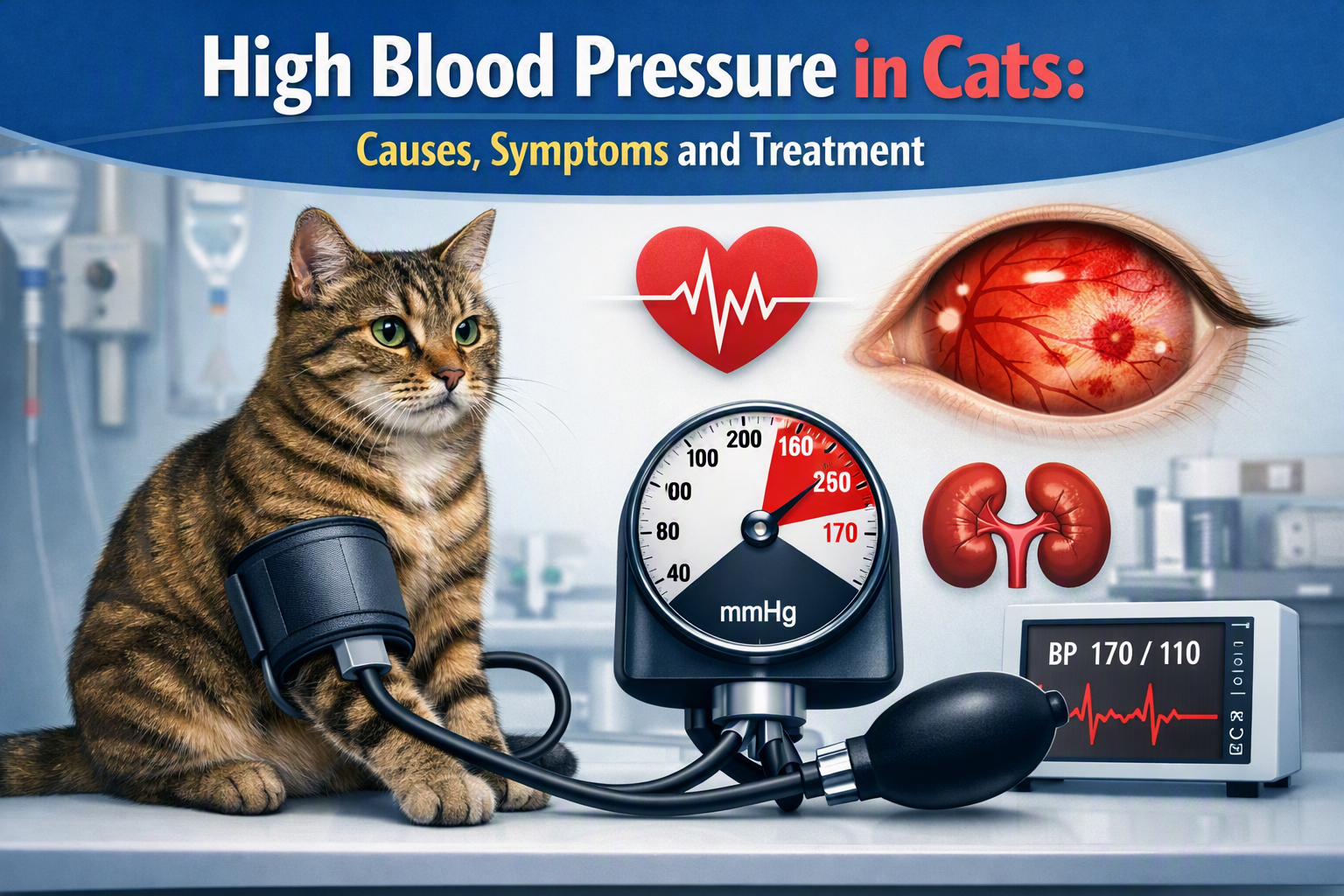
- High blood pressure (hypertension)
- Heart disease (hypertrophic cardiomyopathy)
- Kidney disease progression
- Muscle wasting
- Severe weight loss and frailty
Although the condition is manageable, it is not something that resolves on its own.
How is Hyperthyroidism Diagnosed?
If your vet suspects hyperthyroidism, diagnosis is usually straightforward.
Common diagnostic steps include:
1. Physical Examination
The vet may feel an enlarged thyroid gland in the neck.
2. Blood Tests
A blood test will measure thyroid hormone levels (T4). Elevated levels confirm diagnosis in most cases.
3. Additional Testing
Your vet may also check:
- Kidney function
- Liver values
- Blood pressure
- Heart function
These help assess overall health and treatment safety.
Treatment Options for Hyperthyroid Cats
There are several effective hyperthyroid cat treatment options available. The best choice depends on your cat’s age, health status, and lifestyle.
1. Medication (Antithyroid Drugs)
Medications such as methimazole reduce thyroid hormone production.
Pros:
- Non-invasive
- Quick to start
- Widely available
Cons:
- Lifelong treatment required
- Requires regular blood monitoring
- Possible side effects (vomiting, lethargy)
2. Prescription Diet
A veterinary diet low in iodine can help control hormone production.
Pros:
- Non-medication option
- Can be effective in some cats
Cons:
- Must be strictly controlled (no other food or treats)
- Not suitable for all cats
3. Radioactive Iodine Therapy
This is considered the gold standard treatment.
It works by destroying overactive thyroid tissue.
Pros:
- Potential cure
- No daily medication needed
Cons:
- Requires specialist referral
- Short hospital stay required
- Higher upfront cost
4. Surgery (Thyroidectomy)
Surgical removal of the affected thyroid gland.
Pros:
- Can be curative
- Immediate effect
Cons:
- Anaesthetic risk (especially in older cats)
- Requires experienced surgeon
- Risk of complications affecting calcium regulation
Living with a Hyperthyroid Cat
With the right treatment, most cats live a normal and happy life.
Tips for owners:
- Attend regular vet check-ups
- Monitor weight weekly
- Ensure consistent feeding routines
- Watch for changes in appetite or behaviour
- Follow medication instructions carefully
Early diagnosis and treatment greatly improve prognosis.
What is the Prognosis?
The good news is that hyperthyroidism in cats is highly treatable.
With management:
- Many cats return to normal weight
- Energy levels stabilise
- Quality of life improves significantly
However, untreated cases will continue to worsen over time.
When to See a Vet
You should contact your vet if your cat shows:
- Sudden weight loss
- Increased appetite with no weight gain
- Excessive thirst
- Behaviour changes
- Vomiting or diarrhoea
Early intervention makes treatment much more effective.
Summary
Hyperthyroidism in cats is a common condition in older felines caused by an overactive thyroid gland. While it can sound concerning, it is one of the most treatable hormonal diseases in veterinary medicine.
With options including medication, diet, surgery, and radioactive iodine therapy, most cats can continue to live long and comfortable lives.
The key is early detection and ongoing veterinary care.
Useful link: Hyperthyroidism in cats – PDSA



Leave a Reply