

Introduction
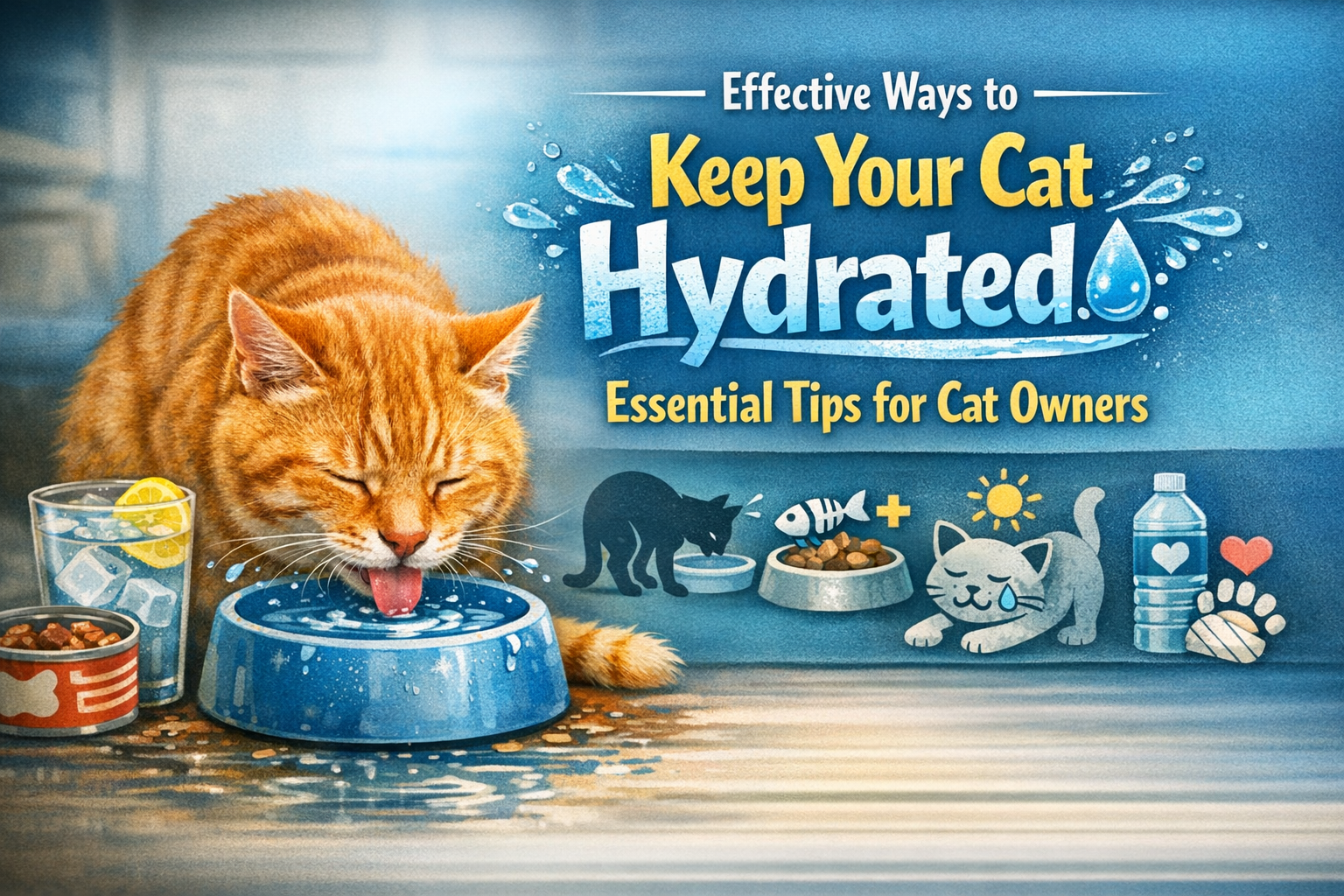
Dehydration is a common but often overlooked issue in cats. Many cat owners struggle to ensure their pets drink enough water, which can lead to urinary tract issues, kidney disease, and overall poor health. Learning how to keep your cat hydrated is essential for every cat owner.
This guide explores practical strategies to encourage water intake, the signs of dehydration to watch for, and ways to support your cat’s health through proper hydration.
Why Cats Often Don’t Drink Enough
Cats are descendants of desert-dwelling ancestors, which means they naturally have a low thirst drive. Common reasons cats may not drink enough include:
- Diets high in dry kibble
- Stress or environmental changes
- Illness or pain
- Dislike of water bowls’ location or type
Understanding these tendencies is the first step to keeping your cat hydrated.
1️⃣ Provide Multiple Water Sources
Cats prefer options when it comes to drinking. Offer:
- Several bowls around the house
- Shallow, wide dishes (cats dislike deep bowls)
- Clean, fresh water daily
Experiment with different locations and materials — stainless steel or ceramic bowls often work best.
2️⃣ Try Cat Fountains
Running water is very attractive to cats. Cat fountains:
- Keep water circulating
- Maintain freshness
- Encourage more frequent drinking
Many cats prefer drinking from a fountain over still water in a bowl.
3️⃣ Add Wet Food to the Diet
Canned or pouch food contains significantly more water than dry kibble. Incorporating wet food into meals helps keep your cat hydrated naturally.
- Feed wet food 1–2 times per day
- Mix with dry food if needed
- Choose high-quality, low-sodium options
4️⃣ Water Flavouring and Additives
Some cats respond to mild flavoring in water, such as:
- Low-sodium chicken or tuna broth
- Cat-safe electrolyte solutions
Avoid artificial sweeteners or harmful additives. Always check with your veterinarian if unsure.
5️⃣ Monitor Hydration Levels
Regularly check your cat for early signs of dehydration:
- Dry gums
- Sunken eyes
- Loss of skin elasticity
- Reduced urination
A simple skin tent test on the scruff can help detect mild dehydration.
External resource link: Cornell University – Cat Hydration
6️⃣ Make Water Fun
Cats are more likely to drink if it’s interactive:
- Place ice cubes in bowls for novelty
- Offer water during playtime
- Encourage curiosity with moving water or dripping taps
Small environmental changes can significantly improve cat water intake.
7️⃣ Special Considerations for Older Cats
Older cats are particularly prone to dehydration due to decreased thirst perception or kidney changes. Encouraging hydration in senior cats can prevent urinary tract infections and kidney disease. Small, frequent meals of wet food, multiple water bowls placed strategically around the home, and gently encouraging drinking through play or fountains can make a big difference. Monitoring hydration in older cats is a key role for attentive pet owners.
8️⃣ Encourage Hydration During Illness or Stress
Illness, heat, or stress can reduce water intake. Nursing tips include:
- Warming wet food slightly for aroma
- Offering flavored water or broth
- Keeping bowls in quiet, low-traffic areas
Prompt attention to hydration during illness can prevent serious complications.
FAQ Section
Q: How much water should my cat drink each day?
A: Most cats require roughly 50 ml per kg of body weight daily. Wet food contributes to this total.
Q: Can dehydration cause health problems in cats?
A: Yes. Chronic dehydration can lead to kidney disease, urinary tract issues, and lethargy.
Q: Is wet food enough to keep my cat hydrated?
A: Wet food provides a large portion of daily water needs, but fresh water should always be available.
Q: How do I know if my cat is dehydrated?
A: Signs include dry gums, sunken eyes, skin that doesn’t snap back when gently lifted, and decreased urination.
Q: Can fountains really improve hydration?
A: Yes. Flowing water stimulates drinking and keeps water fresh, encouraging cats to drink more often.
Regularly monitoring your cat’s water intake is a simple yet effective way to keep your cat hydrated. Even small changes in drinking habits can signal dehydration or health issues, so tracking how much your cat drinks each day is important.
Combining wet food, fresh water bowls, and interactive fountains ensures your cat receives enough fluids. By being proactive, pet owners can easily keep their cat hydrated, support kidney function, and prevent urinary problems, helping maintain overall feline health.
Final Thoughts
Keeping your cat hydrated is essential for long-term health and wellbeing. By combining multiple water sources, wet food, fountains, interactive strategies, and attention to senior or ill cats, pet owners can prevent dehydration and support overall feline health.
By using multiple water sources, wet food, and interactive fountains, pet owners can easily keep their cat hydrated every day, supporting long-term feline health and preventing dehydration.
Remember: Cats often hide early signs of illness and pain. If you notice persistent low water intake, consult your veterinarian promptly.



Leave a Reply