

Introduction
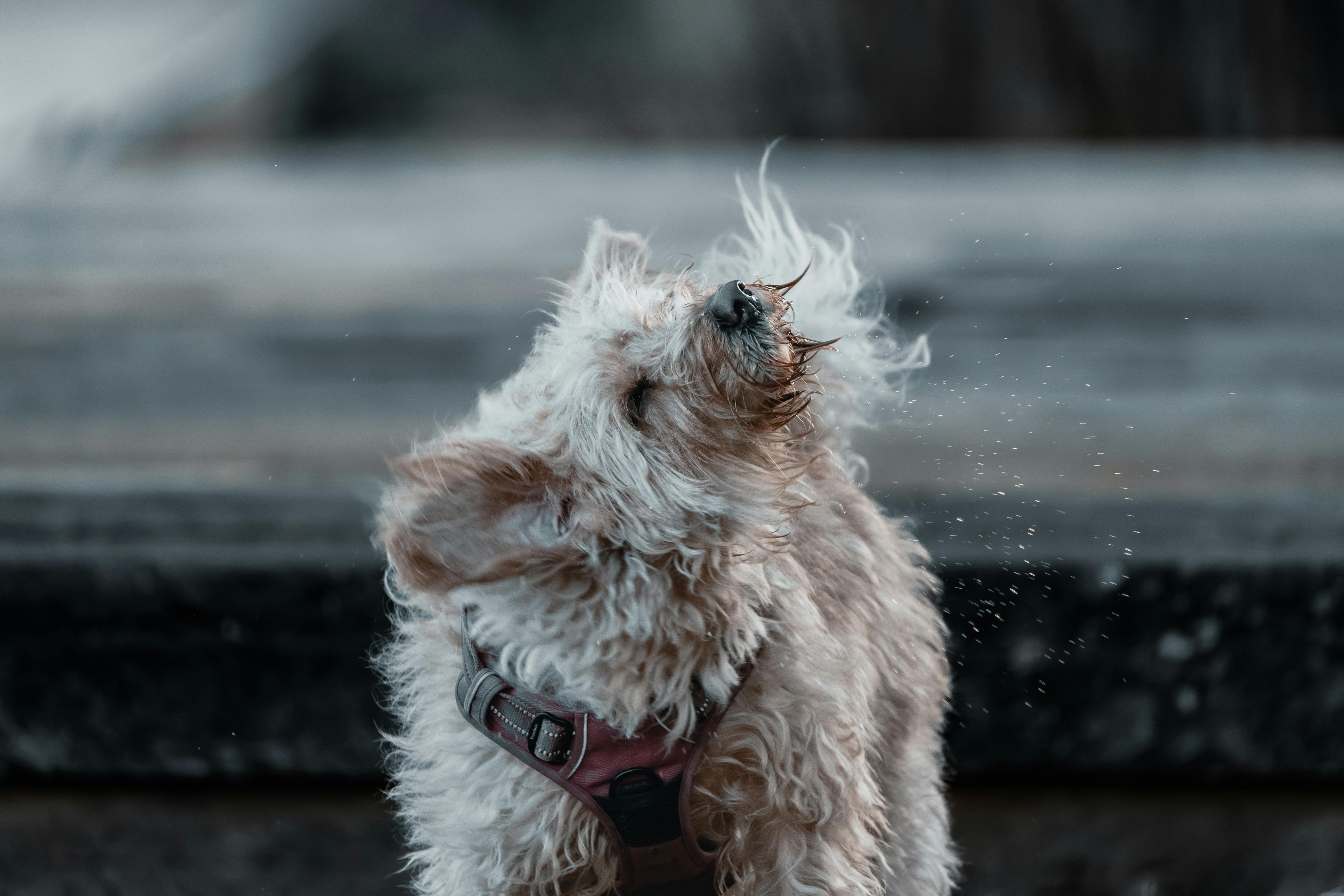
If you’ve noticed your dog trembling or shaking, you may be wondering, why is my dog shaking? Shaking in dogs can happen for many reasons, ranging from harmless excitement to more serious medical conditions. Understanding why your dog is shaking can help you decide whether it’s normal behaviour or something that requires veterinary attention.
Dogs may shake occasionally throughout their lives, and in many cases it’s nothing to worry about. However, frequent or sudden shaking can sometimes indicate pain, illness, or stress. Knowing the common causes will help you respond appropriately and ensure your dog stays healthy.
Also read: Why Is My Dog Itching So Much?
1. Excitement or Emotional Response
One of the most common answers to the question why is my dog shaking is simple excitement. Dogs often tremble when they are happy or anticipating something enjoyable, such as going for a walk or seeing their owner after being apart.
You may notice shaking when:
- You pick up the lead
- Guests arrive at your home
- Your dog is about to receive food or treats
This type of shaking usually stops once your dog calms down and is generally harmless.
2. Cold Temperatures
Dogs can shake when they are cold, just like humans shiver to generate heat. Smaller breeds, puppies, and dogs with thin coats are particularly sensitive to cold weather.
Signs your dog may be cold include:
- Trembling or shivering
- Curling up tightly
- Seeking warm areas
Providing warm bedding or a dog coat during cold walks can help prevent this type of shaking.
3. Anxiety or Stress
If you’re asking why is my dog shaking, anxiety could be a possible cause. Many dogs tremble when they feel frightened or stressed.
Common triggers include:
- Fireworks
- Thunderstorms
- Veterinary visits
- Car travel
Stress-related shaking is often accompanied by other behaviours such as pacing, panting, hiding, or whining. Creating a calm environment and using positive reassurance can help reduce anxiety.
4. Pain or Injury
Another important reason why a dog may shake is pain. Dogs cannot verbally communicate discomfort, so shaking can sometimes be a sign that something is wrong.
Possible causes of pain-related shaking include:
- Injuries
- Muscle strain
- Joint problems
- Internal illness
If shaking appears suddenly or is accompanied by other symptoms such as limping, lethargy, or reduced appetite, it is best to consult your veterinarian.
5. Illness or Medical Conditions
Certain medical conditions can also explain why your dog is shaking. Some illnesses affect the nervous system or cause discomfort that leads to trembling.
Conditions that may cause shaking include:
- Fever
- Ear infections
- Poisoning or toxin exposure
- Kidney disease
In these cases, shaking is often accompanied by additional symptoms such as vomiting, weakness, or behavioural changes. Prompt veterinary care is important if illness is suspected.
6. Low Blood Sugar
Low blood sugar, also known as hypoglycaemia, can cause shaking in dogs. This is most commonly seen in small breed puppies or dogs that have not eaten for an extended period.
Symptoms of hypoglycaemia may include:
- Trembling
- Weakness
- Disorientation
- Seizures in severe cases
If your dog appears shaky and lethargic, offering food and contacting your veterinarian may be necessary.
7. Age-Related Tremors
Older dogs sometimes develop tremors as part of the ageing process. These tremors may affect the legs or body and are often mild but persistent.
While age-related shaking may not always be dangerous, it is still important to have your dog examined by a veterinarian to rule out underlying conditions.
When Should You Be Concerned?
Although occasional shaking can be normal, there are times when veterinary advice is recommended. Contact your vet if:
- The shaking is severe or persistent
- Your dog appears weak or lethargic
- Other symptoms such as vomiting or diarrhoea occur
- The shaking started suddenly without an obvious cause
Early diagnosis can help ensure your dog receives the appropriate treatment.
Final Thoughts
If you’ve been wondering why is my dog shaking, the answer depends on the situation. In many cases, shaking is a normal reaction to excitement, cold weather, or temporary stress. However, shaking can also indicate pain, illness, or other medical problems that require veterinary attention.
By observing your dog’s behaviour and recognising additional symptoms, you can better understand what your pet may be experiencing. If you are ever unsure about your dog’s health, contacting your veterinarian is always the safest option.
Useful links: RSPCA Pet Behaviour



Leave a Reply to Proven Ways to Prevent Fleas and Ticks on Dogs and Cats: 5 Key Strategies – Paws and Pet HubCancel reply