

Introduction
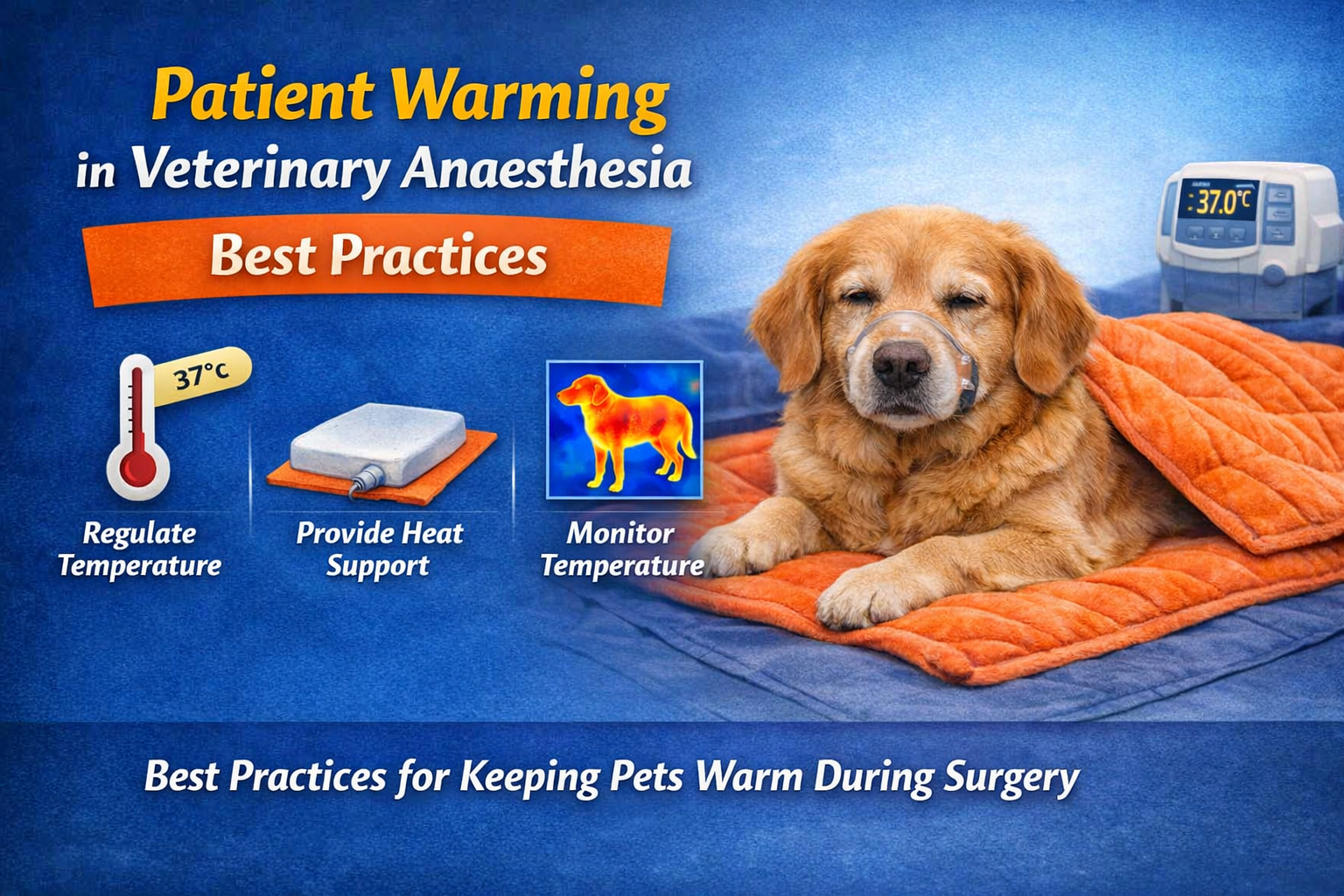
Maintaining body temperature during anaesthesia is a critical aspect of veterinary nursing. Hypothermia is a common complication in anaesthetised animals, which can lead to slower recovery, increased infection risk, and cardiovascular complications. Understanding patient warming in veterinary anaesthesia helps veterinary nurses provide safer perioperative care and improve patient outcomes.
Temperature management is especially important in small, young, elderly, or critically ill patients. By applying proper warming techniques and closely monitoring the patient, nurses can prevent temperature-related complications during and after surgery.
Read also: Veterinary Fluid Calculations Made Easy
1. Why Warming Matters
Anaesthetised patients often lose body heat due to:
- Reduced metabolic rate
- Exposure of body cavities during surgery
- Effects of anaesthetic drugs on thermoregulation
Hypothermia can cause:
- Delayed recovery from anaesthesia
- Cardiac arrhythmias
- Impaired immune function
- Prolonged hospitalisation
Implementing patient warming in veterinary anaesthesia is essential to avoid these complications.
2. Monitoring Body Temperature
Accurate monitoring is the first step in maintaining normothermia. Veterinary nurses should:
- Measure core temperature using a rectal or oesophageal probe
- Record readings at regular intervals during anaesthesia
- Set temperature thresholds for intervention
Continuous monitoring ensures that hypothermia is detected early, allowing nurses to act before complications occur.
3. Patient Warming in Veterinary Anaesthesia: Warming Techniques
There are several effective methods for patient warming in veterinary anaesthesia:
Active Warming
- Forced-air warming systems (e.g., Bair Hugger)
- Circulating warm water blankets
- Heated tables or pads
Passive Warming
- Insulating blankets
- Foil or thermal wraps
- Minimising exposure of the body during procedures
Combining active and passive techniques often provides the best results, especially for vulnerable patients.
4. Safety Considerations
While warming is essential, veterinary nurses must avoid overheating or burns:
- Regularly check skin under blankets or pads
- Adjust temperature settings based on patient size and condition
- Never apply heat directly to bare skin for prolonged periods
Patient safety is the highest priority when implementing warming techniques.
5. Patient Warming in Veterinary Anaesthesia: Perioperative Strategies
To maximise effectiveness, warming should be part of the perioperative plan:
- Begin warming during pre-anaesthetic preparation if the patient is already hypothermic
- Maintain warming throughout anaesthesia and recovery
- Reassess temperature during post-anaesthetic monitoring
This ensures that temperature is maintained during the critical periods of surgery and recovery.
6. Communication and Documentation
Clear communication with the veterinary team is essential. Nurses should:
- Document all warming methods and temperature readings
- Alert the veterinarian if hypothermia persists or worsens
- Educate staff on best practices for patient warming
Proper documentation supports continuity of care and demonstrates adherence to professional standards.
7. Patient Warming in Veterinary Anaesthesia: Warming During Recovery
Recovery from anaesthesia is a period of increased risk for hypothermia. Even if the patient was adequately warmed during surgery, body temperature can drop during the recovery phase. Nursing care should include:
- Maintaining warmed bedding and continuing active warming devices as needed
- Monitoring for shivering, which may indicate discomfort or inadequate warming
- Ensuring a quiet and low-stress environment, as stress can impact thermoregulation
- Gradually reducing external heat sources once the patient’s temperature stabilises
Close attention during recovery reduces the risk of complications and supports faster mobilisation and healing.
8. Integrating Warming Into Standard Nursing Protocols
To standardise care, many veterinary hospitals include patient warming in veterinary anaesthesia as part of their perioperative nursing protocols. This includes:
- Pre-operative assessment of patient temperature and risk factors
- Standard operating procedures for active and passive warming
- Continuous documentation of temperature, warming methods, and patient responses
- Staff training on equipment use and safety precautions
By integrating warming into daily protocols, nurses ensure consistent and high-quality care across all surgical patients.
9. Choosing the Right Equipment
Selecting appropriate warming equipment is vital. Veterinary nurses should consider:
- Forced-air warming systems for effective and uniform heat distribution
- Circulating water blankets for longer surgical procedures
- Self-heating mats or thermal pads for short procedures or recovery
- Temperature monitoring probes compatible with warming devices
Equipment should be regularly inspected and maintained, with proper cleaning and calibration to ensure safe operation. Using the correct equipment reduces the risk of burns or overheating and improves patient comfort.
10. Continuing Education and Best Practices
Veterinary nursing is an evolving field, and best practices for patient warming in veterinary anaesthesia change as new research and technology emerge. Nurses should:
- Attend workshops, webinars, or conferences on anaesthesia and perioperative care
- Stay updated on guidelines from professional bodies like the American Veterinary Medical Association
- Review recent literature on hypothermia prevention and warming techniques
- Participate in in-hospital training sessions to maintain skill proficiency
Ongoing education ensures that veterinary nurses provide evidence-based care that maximises patient safety and recovery.
11. Key Takeaways
- Hypothermia during anaesthesia is preventable with proper patient warming techniques.
- High-risk patients require special attention, early warming, and continuous monitoring.
- Active and passive warming methods can be combined for optimal results.
- Careful monitoring, documentation, and communication with the veterinary team are critical.
- Integrating warming protocols into standard nursing practice improves outcomes and promotes professional standards.
Implementing these strategies ensures veterinary nurses maintain high-quality, safe perioperative care, reduce complications from hypothermia, and support faster recovery for anaesthetised patients.
External Resource
For detailed guidance on temperature management during veterinary anaesthesia, see the American Veterinary Medical Association practice guidelines on anaesthesia monitoring.
Final Thoughts
Effective patient warming in veterinary anaesthesia is a cornerstone of safe perioperative care. By monitoring temperature, using appropriate warming techniques, and ensuring patient safety, veterinary nurses can reduce complications, improve recovery, and enhance overall patient welfare. Consistent application of best practices supports both clinical outcomes and professional standards in veterinary care.


Leave a Reply