

Introduction
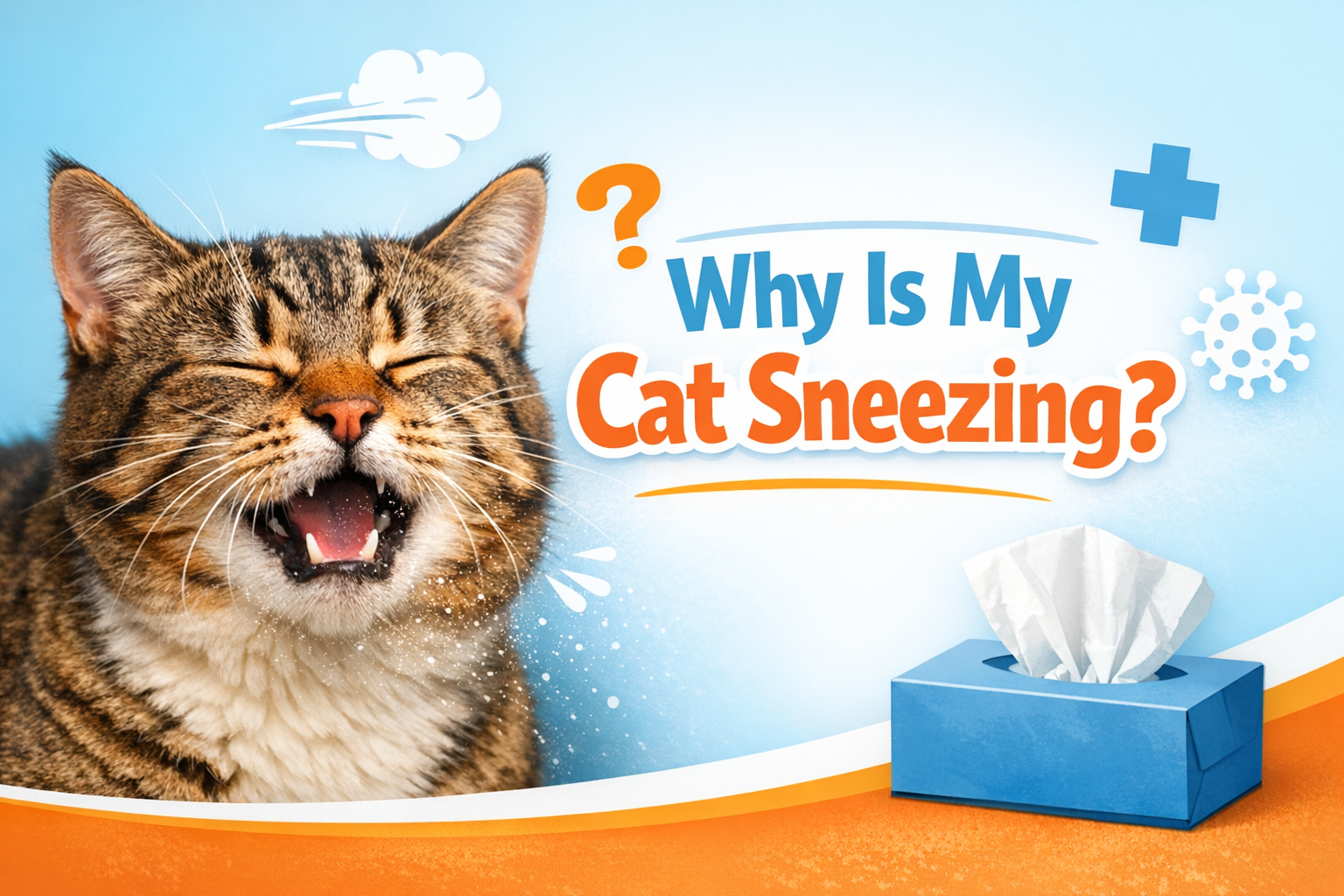
If you’ve recently noticed your cat sneezing, you may be wondering, why is my cat sneezing? Sneezing in cats is quite common and can occur for many different reasons. In some cases, it may simply be a response to dust or irritation in the nose. However, frequent or persistent sneezing can sometimes indicate an underlying health issue.
Cats have very sensitive nasal passages, and even minor irritants can trigger sneezing. While an occasional sneeze is usually nothing to worry about, repeated sneezing or additional symptoms may require veterinary attention. Understanding the possible causes of sneezing can help you decide when it is normal and when your cat may need treatment.
Read also: Why Is My Pet Vomiting?
1. Why Is My Cat Sneezing: Dust or Environmental Irritants
One of the simplest explanations for why your cat is sneezing is exposure to dust or other environmental irritants. Cats may sneeze when they encounter:
- Dust from litter trays
- Household cleaning products
- Strong perfumes or sprays
- Smoke or air pollutants
These irritants can temporarily inflame the nasal passages, causing sneezing as the body attempts to clear the airway. In most cases, the sneezing stops once the irritant is removed.
2. Why Is My Cat Sneezing: Upper Respiratory Infections
Upper respiratory infections are a very common reason why a cat may start sneezing frequently. These infections are often caused by viruses or bacteria and can spread between cats, particularly in multi-cat households or shelters.
Signs of a respiratory infection may include:
- Frequent sneezing
- Nasal discharge
- Watery eyes
- Reduced appetite
- Lethargy
Cats with respiratory infections may need veterinary treatment, especially if symptoms persist or worsen.
For more information on respiratory disease in cats, the RSPCA provides guidance on recognising illness and when veterinary care is needed.
3. Allergies
Just like people, cats can develop allergies that cause sneezing. Allergic reactions may occur due to:
- Pollen
- Dust mites
- Certain cleaning products
- Mould spores
Allergies can cause irritation in the nasal passages, leading to repeated sneezing episodes. Identifying and reducing exposure to allergens can help minimise symptoms.
4. Dental Disease
Surprisingly, dental problems can also explain why your cat is sneezing. The roots of the upper teeth sit very close to the sinus cavities. If a tooth becomes infected, it can affect the surrounding sinuses and trigger sneezing.
Signs that dental disease may be involved include:
- Bad breath
- Drooling
- Difficulty eating
- Swelling around the mouth
A veterinary examination is important if dental disease is suspected.
5. Why Is My Cat Sneezing: Foreign Objects in the Nose
Occasionally, sneezing occurs because something has become lodged in the nasal passages. Small objects such as grass seeds or plant material can irritate the nose and cause persistent sneezing.
Symptoms of a nasal foreign body may include:
- Sudden onset of repeated sneezing
- Pawing at the nose
- Nasal discharge (sometimes bloody)
If you suspect a foreign object, veterinary attention should be sought promptly.
6. Nasal Polyps or Growths
Although less common, nasal polyps or other growths inside the nasal passages can also cause sneezing. These growths may partially block airflow and irritate the tissues inside the nose.
Signs may include:
- Chronic sneezing
- Noisy breathing
- Nasal discharge
- Reduced sense of smell
Diagnosis typically requires a veterinary examination and sometimes imaging tests.
When Should You Be Concerned?
Why is my cat sneezing? While occasional sneezing can be normal, certain signs indicate that veterinary advice is recommended. Contact your vet if:
- Sneezing continues for several days
- Your cat has nasal discharge
- Your cat seems lethargic or stops eating
- Sneezing is accompanied by coughing or breathing difficulties
Early treatment can prevent minor problems from becoming more serious.
Treatment Options for Sneezing in Cats
Treatment for sneezing depends on the underlying cause. Your veterinarian may recommend:
- Antibiotics if a bacterial infection is present
- Anti-inflammatory medications
- Dental treatment if tooth disease is involved
- Supportive care such as hydration and nutrition
Environmental changes may also help reduce sneezing if allergens or irritants are contributing factors.
Final Thoughts
If you’ve been asking yourself why is my cat sneezing, the answer can vary widely depending on your cat’s environment, health, and lifestyle. Occasional sneezing is often harmless, especially if it occurs after exposure to dust or other mild irritants.
However, persistent sneezing or additional symptoms may indicate infection, allergies, or other medical issues that require veterinary care. Monitoring your cat’s behaviour and seeking professional advice when needed will help ensure your pet stays healthy and comfortable.
Useful Links: Blue Cross – Cat Flu



Leave a Reply