
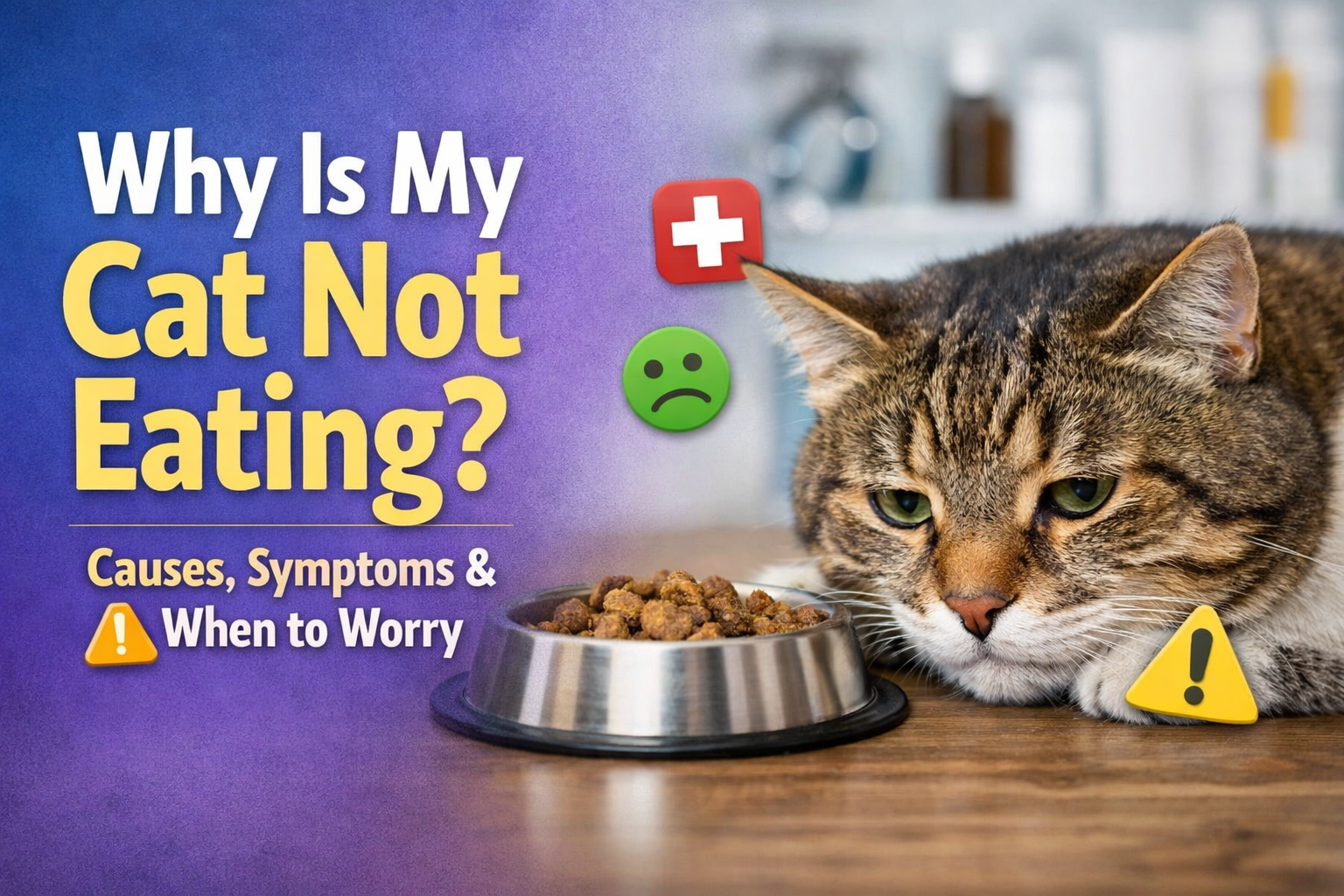

As a loving cat owner, noticing your feline companion refusing food can be alarming.
Understanding why is my cat not eating is essential for keeping your cat healthy and happy. Cats are notorious for hiding illness, so even a small decrease in appetite can indicate an underlying health issue. In this article, we explore common causes, warning signs, and practical steps to help your cat regain their appetite.
Read also: Why Is My Cat Sneezing: Causes, Treatment and When to Worry
Understanding the Importance of a Cat’s Appetite
A healthy appetite is a key indicator of a cat’s overall well-being. Cats that suddenly stop eating may be experiencing stress, illness, or changes in their environment. Knowing why is my cat not eating can help you intervene early, preventing more severe health problems such as hepatic lipidosis, a life-threatening liver condition caused by prolonged anorexia in cats.
Even minor fluctuations in eating habits shouldn’t be ignored. Cats are creatures of routine, and disruptions in their food intake often signal that something is off. Monitoring your cat’s appetite daily is essential, especially for senior cats or those with pre-existing conditions.
Common Causes of a Cat Refusing Food
Several factors can explain why is my cat not eating. Some are minor and temporary, while others require immediate veterinary attention. Understanding the cause can help you respond appropriately.
1. Illness and Medical Conditions
Health problems are one of the most common reasons cats refuse food. Conditions like dental disease, kidney failure, liver disease, gastrointestinal issues, and infections can all impact appetite. Cats may also stop eating due to pain or discomfort from illnesses that aren’t immediately obvious.
- Dental disease: Tooth decay, gingivitis, or oral infections can make chewing painful.
- Kidney disease: Toxins buildup can reduce appetite and cause nausea.
- Upper respiratory infections: Common in cats, especially kittens, these can lead to a loss of smell, making food less appealing.
If your cat shows signs like drooling, vomiting, diarrhea, or lethargy along with refusing food, it’s time to consult a vet.
2. Stress and Environmental Changes
Cats are sensitive to changes in their surroundings. Moving to a new home, introducing new pets, rearranging furniture, or loud noises can trigger stress, leading to reduced appetite.
Stress-related appetite loss is common but usually resolves once the cat adapts to the new environment. Providing a safe, quiet space and consistent routines can help your cat feel secure and resume eating.
3. Food Preferences and Dietary Changes
Cats can be picky eaters. Sudden changes in food type, flavor, or texture may cause a cat to refuse meals. Additionally, cats may avoid food if it has gone stale or spoiled.
- Try warming wet food to enhance aroma.
- Offer a mix of textures (pâté, chunks in gravy, dry kibble) to entice eating.
- Avoid abrupt diet changes; transition gradually over 7–10 days.
Symptoms That Indicate It’s Time to Worry
Knowing when why is my cat not eating is serious can save your cat’s life. Here are warning signs that require urgent veterinary attention:
- Refusal to eat for more than 24–48 hours – Cats are prone to hepatic lipidosis, a dangerous liver condition triggered by prolonged anorexia.
- Lethargy or weakness – Lack of energy combined with appetite loss signals a serious underlying issue.
- Vomiting or diarrhea – Persistent gastrointestinal symptoms alongside refusal to eat may indicate infection or obstruction.
- Weight loss – Noticeable weight loss over a short period requires prompt evaluation.
- Behavioral changes – Hiding, aggression, or vocalization changes can indicate illness or pain.
Even if your cat seems otherwise healthy, refusing food for more than a day is a red flag. Early intervention improves outcomes significantly.
Diagnosing the Cause: Why is My Cat Not Eating
Veterinarians follow a systematic approach to determine why is my cat not eating. The process may include:
- Physical examination: Checking teeth, gums, abdomen, and body condition.
- Blood work: Assessing kidney, liver, and other organ functions.
- Urinalysis: Detecting infections, diabetes, or kidney problems.
- Imaging: X-rays or ultrasounds to identify obstructions, tumors, or other internal issues.
- Behavioral assessment: Evaluating stress, environment, and dietary habits.
Early diagnosis allows for targeted treatment, whether it’s medication, dietary adjustments, or addressing environmental stressors.
How to Encourage a Cat to Eat
Once serious health issues are ruled out, you can take steps to encourage your cat to eat.
1. Offer Appealing Foods
Cats rely heavily on smell, so strong-smelling foods like tuna, sardines, or cooked chicken may stimulate appetite. Warming food slightly can enhance aroma and make it more enticing.
2. Maintain a Calm Eating Environment
Cats eat best in a quiet, stress-free space. Ensure food bowls are in a safe location away from noise or other pets. Some cats prefer separate feeding areas to reduce anxiety.
3. Hand Feeding and Gentle Encouragement
Gently hand-feeding your cat can stimulate interest in eating. Using a spoon or offering small bites encourages interaction and may coax your cat to resume normal meals.
4. Gradual Dietary Changes
If changing food, introduce new options slowly. Mix a small amount of new food with the old, gradually increasing the ratio over several days. This reduces stress and resistance.
5. Feeding Aids
For cats refusing to eat despite encouragement, your veterinarian may recommend appetite stimulants or temporary assisted feeding methods such as syringe feeding.
When to Consult a Veterinarian: Why is My Cat Not Eating
If your cat refuses food for more than 24 hours, exhibits any concerning symptoms, or shows persistent appetite loss, seeking veterinary care is crucial. Your vet can:
- Diagnose underlying health conditions.
- Prescribe medications or appetite stimulants.
- Recommend special diets or feeding methods.
- Prevent life-threatening complications.
Remember, cats can deteriorate quickly without proper nutrition, so early veterinary intervention is always better than waiting.
Preventing Appetite Loss in Cats: Why is My Cat Not Eating
While you can’t prevent all health issues, some strategies reduce the risk of appetite loss:
- Regular health check-ups: Early detection of dental or organ issues.
- Consistent diet and feeding schedule: Cats thrive on routine.
- Stress reduction: Provide safe spaces and maintain consistent household routines.
- Monitoring behavior: Note changes in eating habits, activity, and behavior.
Preventive care ensures your cat remains healthy, and potential problems are identified before they become serious.
Conclusion: Why is My Cat Not Eating
Understanding why is my cat not eating is vital for any cat owner. Appetite loss can stem from minor issues like stress or food preferences, but it can also indicate serious health conditions requiring urgent attention. By observing your cat’s behaviour, recognizing warning signs, and consulting a veterinarian promptly, you can safeguard your cat’s health and well-being.
Maintaining a calm feeding environment, offering appealing foods, and monitoring your cat’s routine are practical steps to encourage regular eating. Remember, even short periods of anorexia can have serious consequences for cats, especially older or unwell animals. By being attentive and proactive, you ensure your feline companion stays healthy, happy, and well-nourished.
Useful link: Why is my cat not eating? | Petplan



Leave a Reply