

Untreated Cushing’s Disease in Dogs: What Happens?

Untreated Cushing’s disease in dogs is a progressive endocrine disorder that worsens over time without intervention. It occurs when a dog produces excessive cortisol, a hormone that affects metabolism, immunity, and nearly every organ system.
The medical term for this condition is Cushing’s syndrome, and while it can often be managed with treatment, leaving it unmanaged leads to serious and sometimes life-threatening complications.
Read also: Why Does My Dog Fart So Much? 6 Causes, Treatments & When to Worry
What Is Cushing’s Disease in Dogs?
Cushing’s disease develops when the body produces too much cortisol due to:
- Pituitary gland tumours (most common cause)
- Adrenal gland tumours
- Long-term steroid medication use
Cortisol plays an important role in the body, but when levels remain high for prolonged periods, it begins to break down tissues, suppress immunity, and disrupt normal metabolism.
Early Signs of Untreated Cushing’s Disease in Dogs
One of the challenges with untreated Cushing’s disease in dogs is that early signs are often subtle and mistaken for ageing.
Common early symptoms include:
- Increased thirst (polydipsia)
- Increased urination (polyuria)
- Increased appetite
- Panting at rest
- Reduced energy levels
- Mild weight gain
- Pot-bellied appearance
- Hair thinning or coat changes
Because these signs develop gradually, many dogs go undiagnosed in the early stages.
Untreated Cushing’s Disease in Dogs: What Happens If Left Untreated?
When untreated Cushing’s disease in dogs progresses, it begins to affect multiple body systems. The condition does not stabilise on its own and will continue to worsen.
Muscle Wasting and Weakness
High cortisol levels break down muscle protein over time, leading to:
- Loss of muscle mass (especially along the spine)
- Weakness and fatigue
- Reduced ability to exercise
- Difficulty climbing stairs or jumping
Dogs often become noticeably weaker as the disease progresses.
Skin and Coat Deterioration
One of the most visible effects of untreated Cushing’s disease in dogs is skin damage.
This includes:
- Severe hair loss (alopecia)
- Thin, fragile skin
- Slow healing wounds
- Frequent skin infections
- Blackheads and skin changes
These issues occur because cortisol suppresses immune and skin repair functions.
Recurrent Infections
Dogs with untreated Cushing’s disease in dogs are highly prone to infection due to immune suppression.
Common infections include:
- Urinary tract infections
- Skin infections (pyoderma)
- Ear infections
Recurring infections are often one of the earliest clinical red flags.
Urinary Problems and Excessive Thirst
Cortisol disrupts normal kidney function, leading to:
- Excessive drinking
- Frequent urination
- Urinary accidents indoors
- Increased risk of bladder infections
Over time, this can place strain on the urinary system and kidneys.
High Blood Pressure and Organ Damage
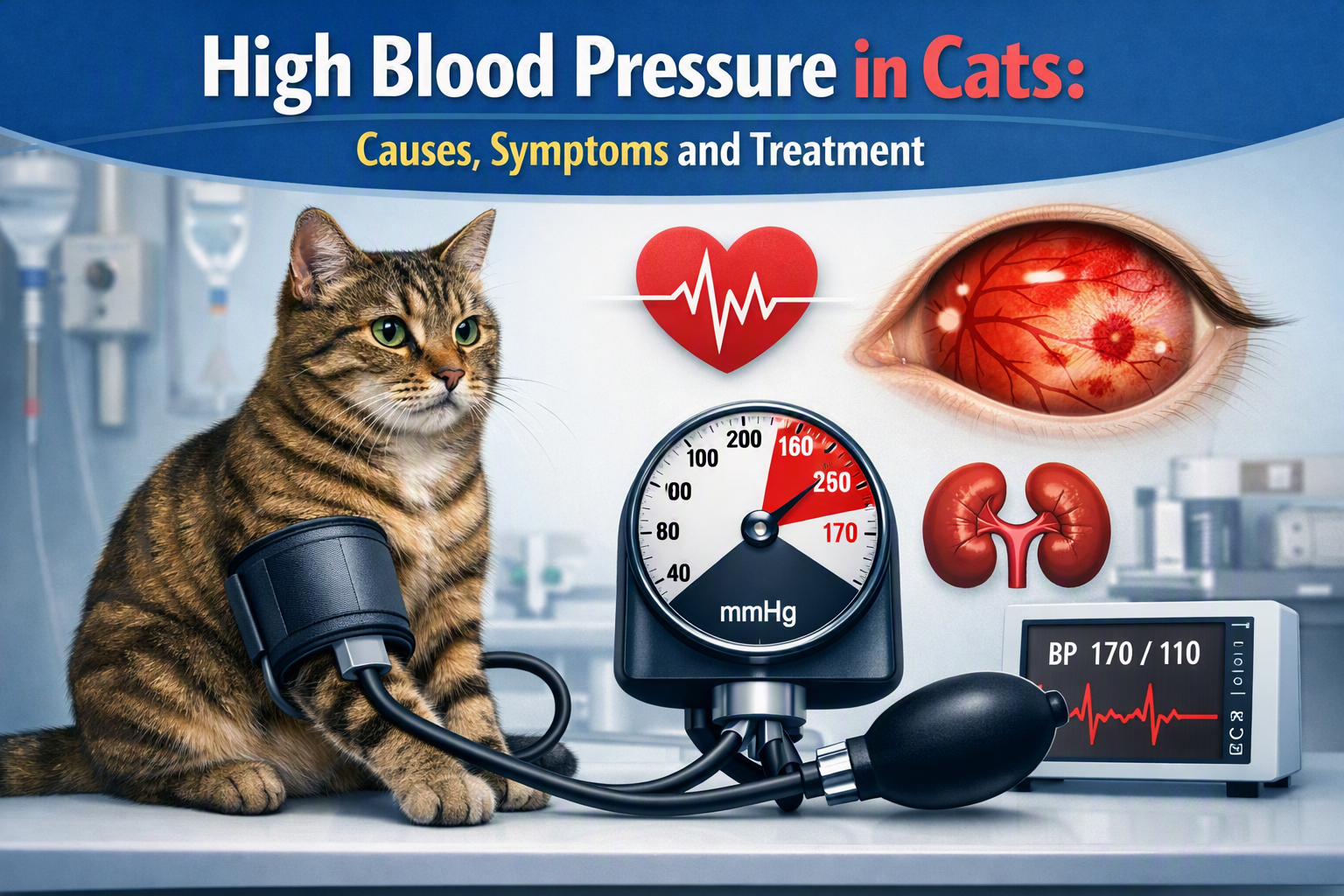
One of the more serious complications of untreated Cushing’s disease in dogs is hypertension (high blood pressure).
This increases the risk of:
- Kidney damage
- Heart disease
- Sudden blindness (retinal damage)
- Neurological complications
Diabetes Mellitus Risk
Cortisol interferes with insulin regulation, which can lead to:
- Insulin resistance
- Development of diabetes mellitus
- Weight loss despite increased appetite
- Increased thirst and urination
Dogs with both conditions require complex medical management.
Behavioural Changes
Hormonal imbalance may also affect behaviour, causing:
- Restlessness or pacing
- Anxiety-like behaviour
- Sleep disturbances
- Reduced interaction or dullness
In advanced cases involving pituitary tumours, neurological signs may appear.
Worsening Pot-Bellied Appearance
As untreated Cushing’s disease in dogs progresses:
- Abdominal fat redistributes
- Muscle weakness increases
- Liver enlargement may occur
This leads to a more pronounced “pot belly” appearance.
Liver Enlargement and Dysfunction
The liver is commonly affected in untreated cases.
Effects include:
- Enlarged liver (hepatomegaly)
- Elevated liver enzymes
- Reduced liver efficiency
- Lethargy and digestive changes
Severe Complications in Advanced Cases
If left untreated long-term, complications can become severe:
- Life-threatening infections (sepsis)
- Blood clots
- Organ failure
- Collapse episodes
Although progression is gradual, the cumulative damage becomes significant.
Life Expectancy With Untreated Cushing’s Disease in Dogs
Dogs with untreated Cushing’s disease in dogs typically experience:
- Progressive decline in quality of life
- Increased infection frequency
- Reduced lifespan compared to treated dogs
More importantly, many dogs live with ongoing discomfort before severe complications occur.
Diagnosis and Why Early Treatment Matters
Early diagnosis allows veterinarians to control cortisol levels and prevent complications.
Common diagnostic tests include:
- ACTH stimulation test
- Low-dose dexamethasone suppression test
- Blood tests and urinalysis
- Ultrasound imaging
Treatment Options for Cushing’s Disease
While this article focuses on untreated disease, treatment is available and often effective.
Options include:
- Medication (e.g. trilostane)
- Surgery for adrenal tumours
- Adjusting steroid medications (iatrogenic cases)
With treatment, many dogs regain good quality of life.
Key Takeaway
Untreated Cushing’s disease in dogs is a progressive condition that affects nearly every organ system. Without treatment, dogs develop worsening skin disease, muscle loss, infections, and metabolic complications such as diabetes.
Early diagnosis and treatment are essential to improving both lifespan and quality of life.
If your dog is showing signs such as increased thirst, urination, or a pot-bellied appearance, veterinary assessment is strongly recommended.
Useful link: Cushing’s Disease in dogs – PDSA



Leave a Reply