
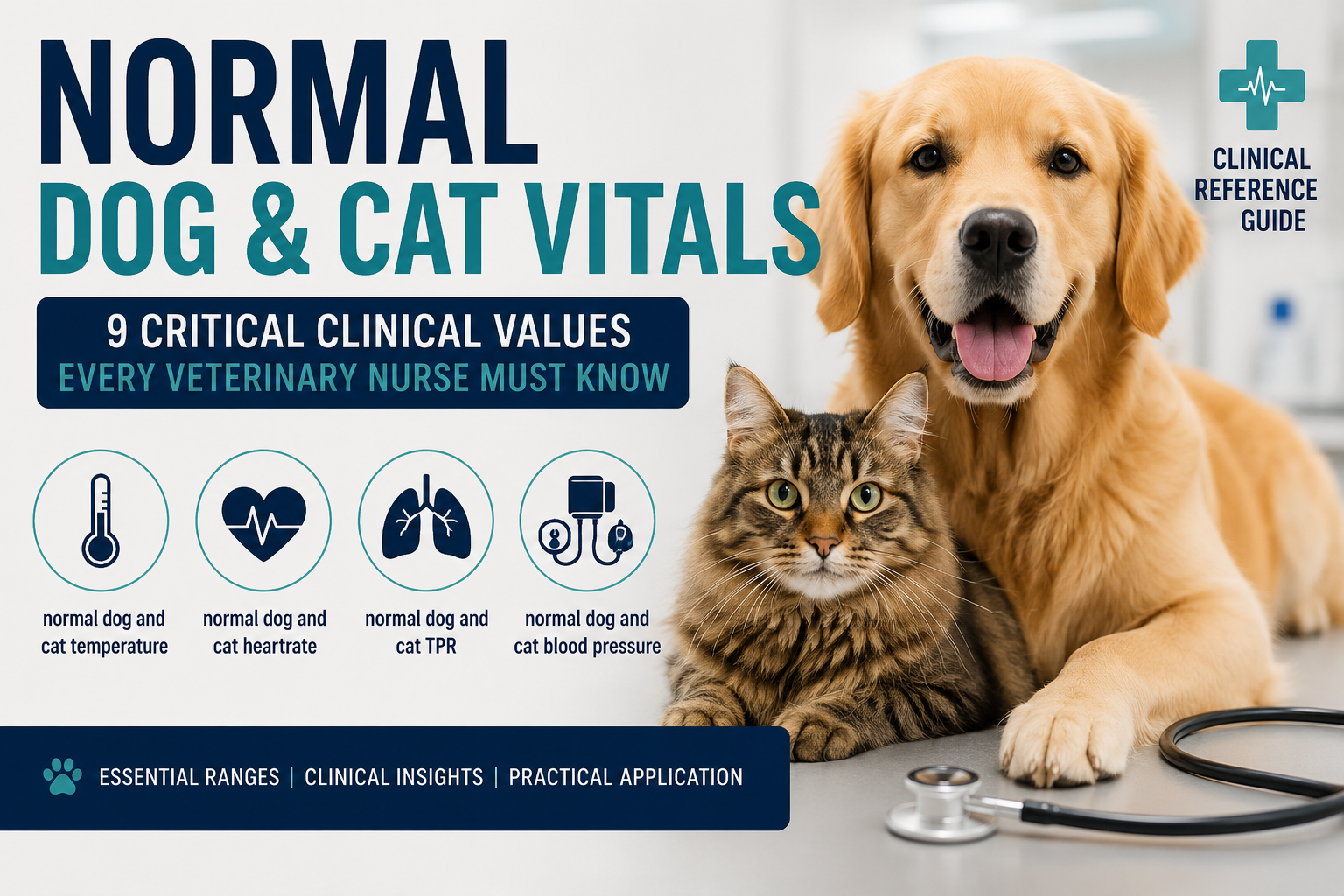

Accurate interpretation of patient vital signs is a core clinical skill for veterinary nurses and surgeons. Whether monitoring anaesthetised patients, triaging emergencies, or managing hospitalised cases, understanding baseline physiological parameters is essential for recognising early deterioration and guiding intervention.
This guide provides a concise but clinically relevant overview of normal dog and cat vitals, including temperature, heart rate, respiratory rate, and blood pressure, with practical interpretation notes for use in veterinary practice.
Clinical Importance of Vital Sign Monitoring
Vital signs form the foundation of patient assessment in both routine and critical care settings. Deviations from normal ranges may indicate:
- Cardiovascular compromise
- Pain or distress
- Anaesthetic complications
- Endocrine disease
- Hypovolaemia or shock
- Respiratory dysfunction
For veterinary teams, trending values is often more clinically useful than isolated readings.
Normal Dog and Cat TPR
The term normal dog and cat TPR (Temperature, Pulse, Respiration) remains a fundamental monitoring framework in veterinary nursing.
Temperature
Dogs
- 38.0°C – 39.2°C
Cats
- 38.0°C – 39.2°C
Clinical considerations:
- Hyperthermia may be associated with sepsis, exertional hyperthermia, or inflammatory disease
- Hypothermia is commonly seen in anaesthesia, shock, and neonatal patients
- Temperature trends peri-operatively are particularly significant for recovery assessment
Read also: Nursing Care for Pyrexic Patients: Best Practices for Veterinary Nurses – Paws and Pet Hub
Pulse / Heart Rate
Normal dog and cat heartrate
Dogs
- 60 – 140 bpm (resting adult range)
- Bradycardia may be normal in athletic or large breed dogs
- Tachycardia should be interpreted alongside perfusion parameters
Cats
- 140 – 220 bpm
- Stress-induced tachycardia is common in clinical environments
- Persistent tachycardia may indicate pain, hyperthyroidism, or hypovolaemia
Clinical note:
Heart rate must always be interpreted alongside pulse quality, mucous membrane colour, and capillary refill time.
Read also: Heart Anatomy and Physiology for Veterinary Nurses: An Essential Clinical Guide – Paws and Pet Hub
Respiratory Rate
Dogs
- 10 – 30 breaths per minute (resting)
Cats
- 20 – 30 breaths per minute (resting)
Clinical considerations:
- Respiratory rate is one of the earliest indicators of clinical deterioration
- Cats may present with normal rates but altered effort (increased work of breathing)
- Post-operative monitoring should include respiratory pattern, not just rate
Read also: Veterinary Nurse Triage: The Ultimate Guide for Nurses
Normal Dog and Cat Temperature (Clinical Interpretation)
Understanding normal dog and cat temperature is essential in both ward and anaesthetic monitoring contexts.
Clinical significance of abnormalities:
Hyperthermia may indicate:
- Infection (sepsis, pyrexia of unknown origin)
- Pain response
- Heatstroke
- Post-anaesthetic complications
Hypothermia may indicate:
- Anaesthetic suppression
- Shock states
- Neonatal instability
- Environmental exposure
Peri-anaesthetic relevance:
Temperature decline is expected under anaesthesia but should be actively managed using:
- Active warming devices
- Fluid warming systems
- Insulation and minimised surgical exposure time
Normal Dog and Cat Heartrate (Clinical Application)
Accurate assessment of normal dog and cat heartrate is a cornerstone of patient monitoring in both conscious and anaesthetised states.
Dogs
- 60 – 140 bpm
Cats
- 140 – 220 bpm
Clinical interpretation:
Elevated heart rate may reflect:
- Pain (most common underdiagnosed cause)
- Hypovolaemia
- Fever
- Anxiety or stress response
- Endocrine disease (e.g. hyperthyroidism in cats)
Reduced heart rate may indicate:
- Increased vagal tone
- Drug effects (opioids, alpha-2 agonists)
- Hypothermia
- Advanced decompensation (late-stage shock)
Clinical note:
Always assess heart rate in conjunction with pulse quality. A “normal” rate with weak pulses may still indicate significant circulatory compromise.
Normal Dog and Cat Blood Pressure
Assessment of normal dog and cat blood pressure is increasingly routine in both general practice and referral settings, particularly in geriatric and anaesthetic patients.
Normal systolic blood pressure:
Dogs
- 110 – 160 mmHg
Cats
- 120 – 170 mmHg
Clinical relevance
Blood pressure is a direct indicator of tissue perfusion and cardiac output adequacy.
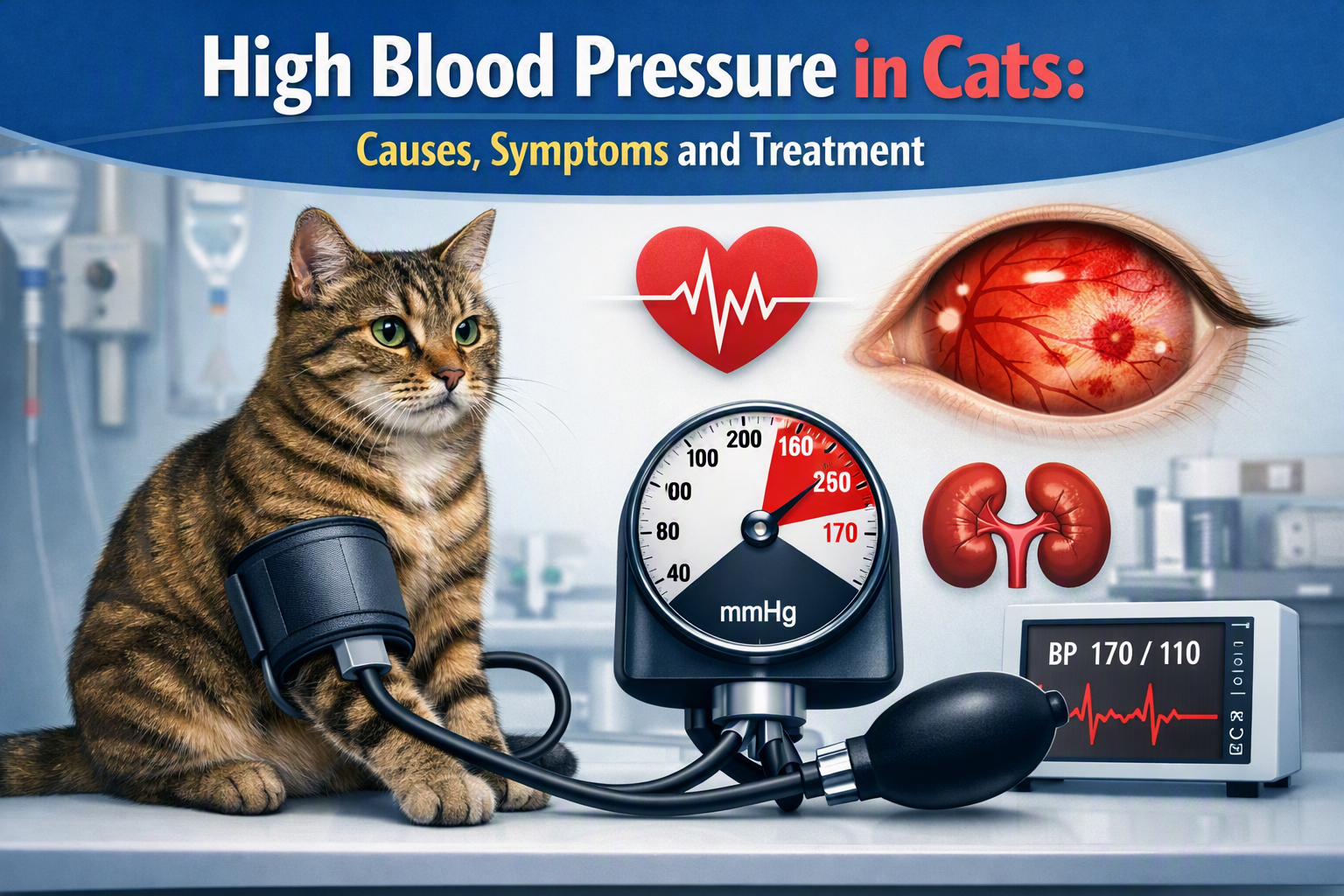
Hypertension
Common causes include:
- Chronic kidney disease
- Hyperthyroidism (cats)
- Hyperadrenocorticism (dogs)
- Idiopathic causes
Clinical consequences:
- Retinal detachment
- Sudden blindness
- Neurological deficits
- Renal damage progression
Hypotension
Hypotension is often more immediately critical in hospitalised patients.
Common causes:
- Anaesthetic overdose or deep plane anaesthesia
- Haemorrhage
- Sepsis
- Dehydration or hypovolaemia
Clinical action thresholds:
- Sustained systolic <90 mmHg requires intervention in most clinical settings
Interventions may include:
- Fluid boluses (crystalloid/colloid as appropriate)
- Vasopressor support
- Anaesthetic depth reduction
- Addressing underlying cause
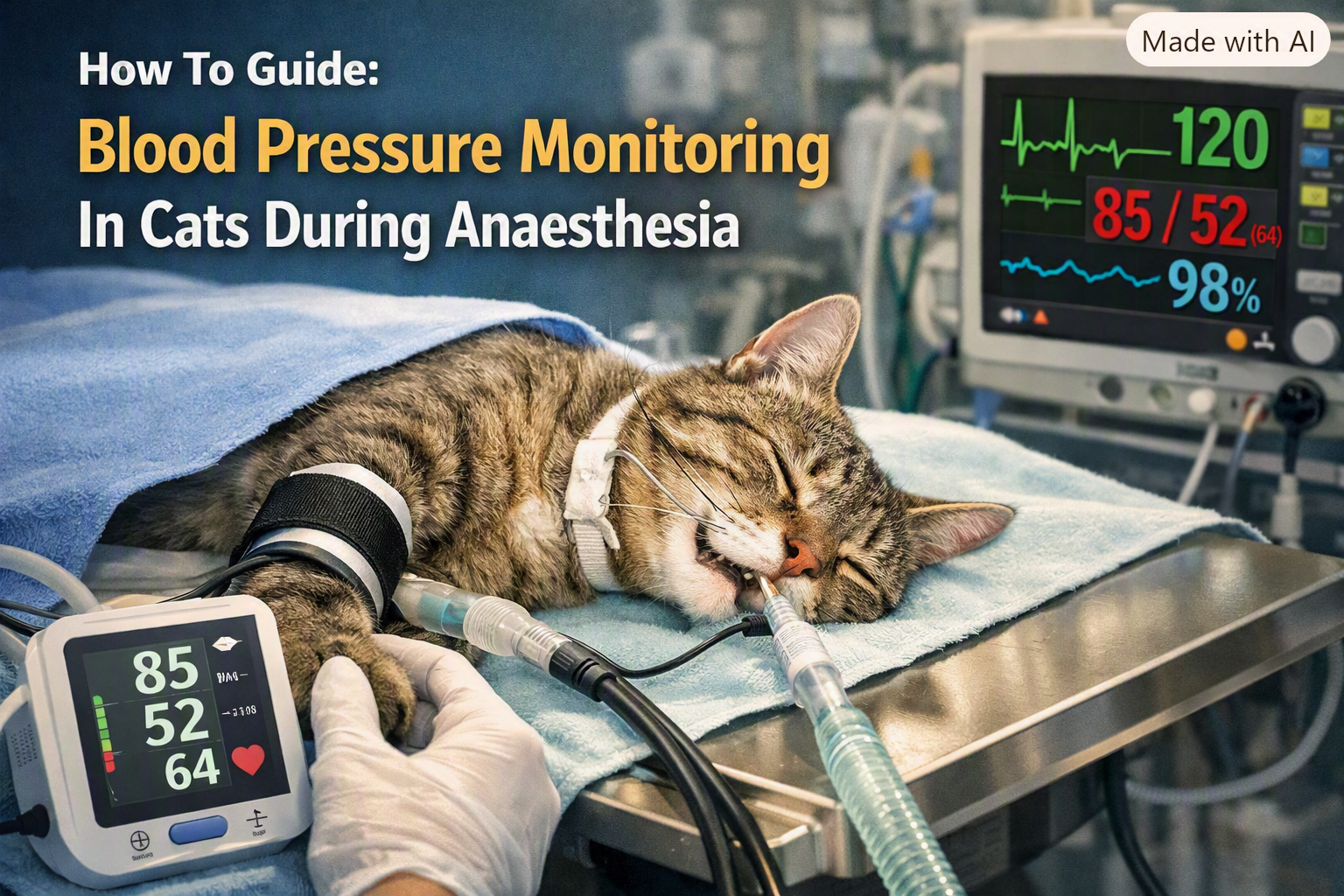
Read also: How to Take Blood Pressure in Dogs and Cats: A 4-Step Veterinary Nurse Guide – Paws and Pet Hub
Integrating Vital Signs in Clinical Monitoring
In practice, isolated readings are less useful than integrated assessment trends.
A structured approach should include:
- Temperature
- Heart rate
- Respiratory rate and effort
- Blood pressure
- Mucous membrane colour
- Capillary refill time
- Lactate (where available)
This forms the basis of early warning scoring systems increasingly used in veterinary hospitals.
Factors Affecting Normal Ranges
Veterinary professionals must account for physiological and environmental variables when interpreting vitals.
Stress response
Common in cats and hospitalised patients:
- Increased heart rate
- Increased blood pressure
- Variable respiratory rate
Anaesthesia and analgesia
- Depressed thermoregulation
- Altered cardiovascular parameters
- Drug-dependent bradycardia or hypotension
Age and size variation
- Puppies and kittens: higher baseline heart rates
- Giant breed dogs: lower resting heart rates
Disease state
- Systemic illness often alters multiple parameters simultaneously rather than a single isolated change
Clinical Red Flags for Veterinary Teams
Immediate attention should be considered if any of the following are observed:
- Sustained hypotension
- Unexplained tachycardia with weak pulses
- Bradycardia with poor perfusion
- Hypothermia in anaesthetised or critical patients
- Rising respiratory effort despite normal rate
- Sudden changes in mentation or responsiveness
Early recognition significantly improves patient outcomes in both surgical and medical cases.
Quick Reference: Normal Dog and Cat Vitals
Dogs
- Temperature: 38.0°C – 39.2°C
- Heart rate: 60 – 140 bpm
- Respiratory rate: 10 – 30 bpm
- Blood pressure: 110 – 160 mmHg (systolic)
Cats
- Temperature: 38.0°C – 39.2°C
- Heart rate: 140 – 220 bpm
- Respiratory rate: 20 – 30 bpm
- Blood pressure: 120 – 170 mmHg (systolic)
Conclusion
A strong understanding of normal dog and cat vitals is essential for all veterinary nurses and surgeons involved in patient care. Parameters such as normal dog and cat TPR, normal dog and cat temperature, normal dog and cat heartrate, and normal dog and cat blood pressure provide the foundation for accurate clinical assessment and early detection of deterioration.
In modern veterinary practice, the value lies not only in recognising normal ranges but in interpreting trends, integrating multiple parameters, and responding promptly to subtle physiological changes. This clinical awareness is central to improving outcomes across surgical, medical, and critical care patients.
Read also: Table: Normal Physiological Values for Dogs-MSD Veterinary Manual




Leave a Reply