-
Continue reading →: 9 Surprising Reasons: Why Is My Dog Licking His Paws? (And How to Help Them)
If you’ve noticed your dog repeatedly licking their paws, you may be wondering whether it is just a harmless habit or a sign that something is wrong. While occasional paw licking is normal, why is my dog licking his paws constantly is a question many pet owners ask when the…
-
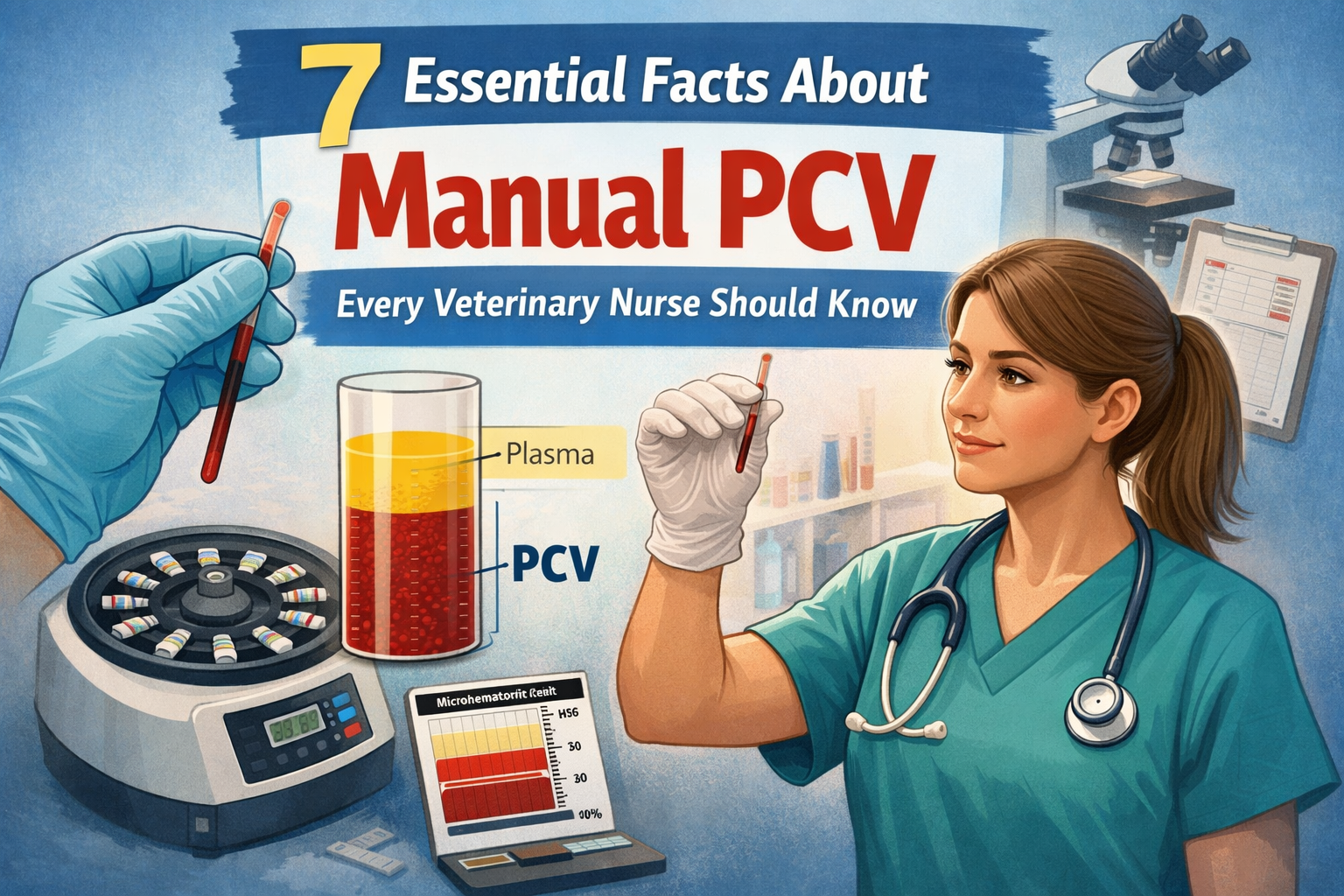 Continue reading →: 7 Essential Facts About Manual PCV Every Veterinary Nurse Should Know
Packed cell volume (PCV) is a simple but incredibly valuable diagnostic test used every day in veterinary practice. Whether assessing an emergency patient, monitoring anaemia, or evaluating hydration status, understanding how to perform and interpret a manual PCV is an essential skill for veterinary nurses and veterinary professionals. Although many…
-
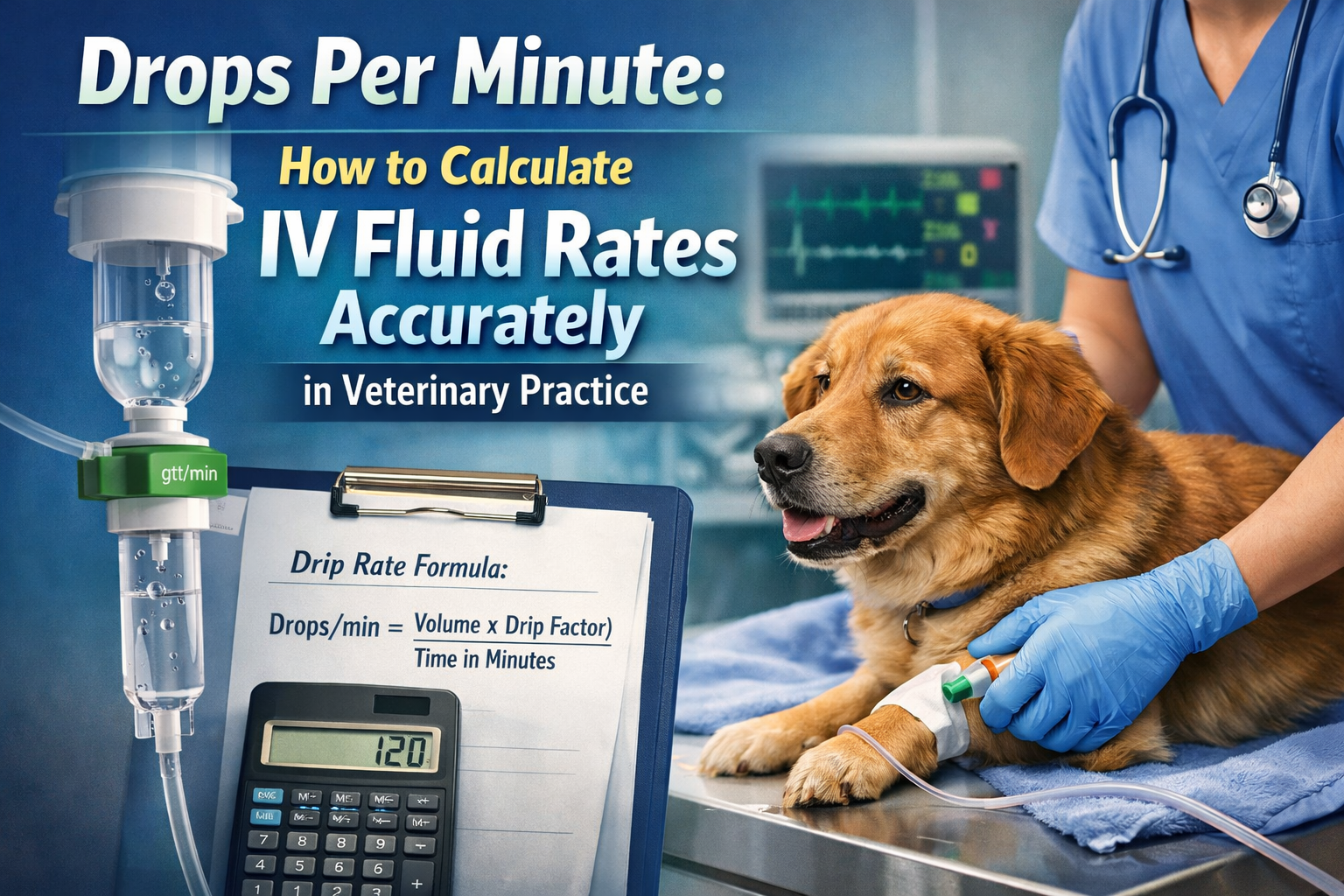 Continue reading →: Drops Per Minute: How to Calculate IV Fluid Rates Accurately in Veterinary Practice
Whether you’re a student veterinary nurse, a newly qualified RVN, or an experienced veterinary professional refreshing your knowledge, understanding drops per minute is an essential clinical skill. Although many veterinary practices now use syringe drivers and infusion pumps, manual fluid administration remains common in emergency situations, field work, and when…
-
 Continue reading →: 9 Essential Facts About Cat Lung Anatomy: A Complete Guide for Veterinary Nurses, Students & Cat Owners
Introduction Understanding cat lung anatomy is important not only for veterinary professionals but also for cat owners who want to better understand respiratory health. Cats are obligate nasal breathers with a delicate and highly efficient respiratory system. Because they are often good at hiding illness, subtle changes in breathing can…
-
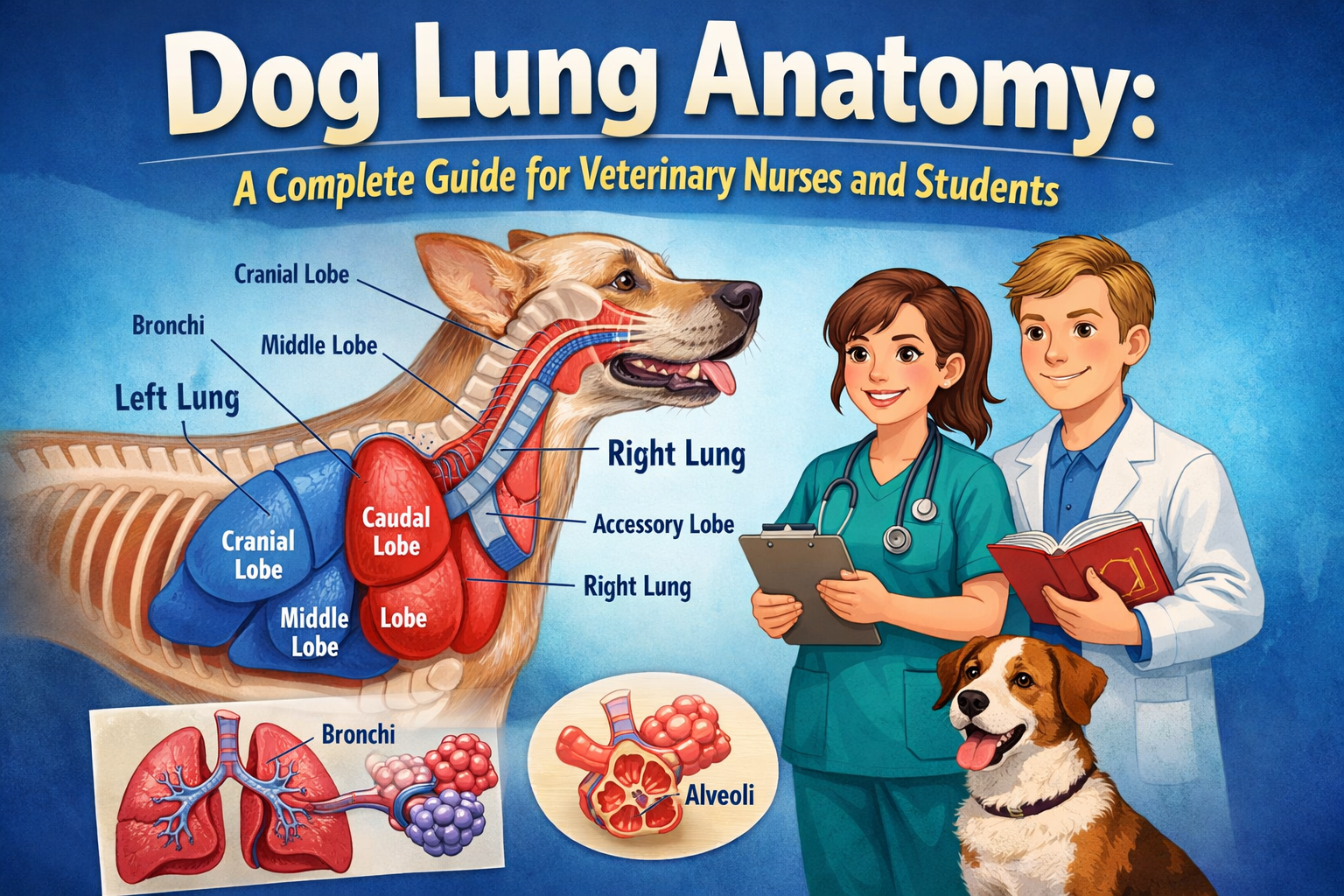 Continue reading →: 8 Powerful Insights into Dog Lung Anatomy: A Complete Guide for Veterinary Nurses and Students
Introduction Understanding dog lung anatomy is essential for anyone working in veterinary practice. The respiratory system is one of the most frequently assessed body systems in clinical cases, from coughing dogs in consults to emergency respiratory distress. For veterinary nurses and students, a solid grasp of how the lungs are…
-
 Continue reading →: 10 Powerful Facts About Gut Stasis in Rabbits: Symptoms, Treatment & Life-Saving Care Guide
Introduction If you own a rabbit, understanding gut stasis in rabbits could genuinely save your pet’s life. It is one of the most common emergencies seen in rabbits and can become serious very quickly. Gut stasis (also called gastrointestinal stasis or GI stasis) is not a disease itself, but a…
-
 Continue reading →: 7 Critical Steps for Gut Stasis in Rabbits: Diagnosis, Treatment & Clinical Management for Veterinary Teams
Introduction Gut stasis in rabbits is one of the most common and potentially life-threatening presentations seen in exotic and small mammal practice. It is not a primary disease but rather a clinical syndrome characterised by reduced gastrointestinal motility, anorexia, reduced faecal output, and in severe cases, complete ileus. For veterinary…
-
 Continue reading →: Is My Guinea Pig a Boy or a Girl? 7 Simple Ways to Tell the Difference
One of the most common questions new guinea pig owners ask is, “Is my guinea pig a boy or a girl?” While guinea pigs are wonderful pets, determining their gender can be surprisingly difficult, especially when they are young. Correctly identifying whether your guinea pig is male or female is…
-
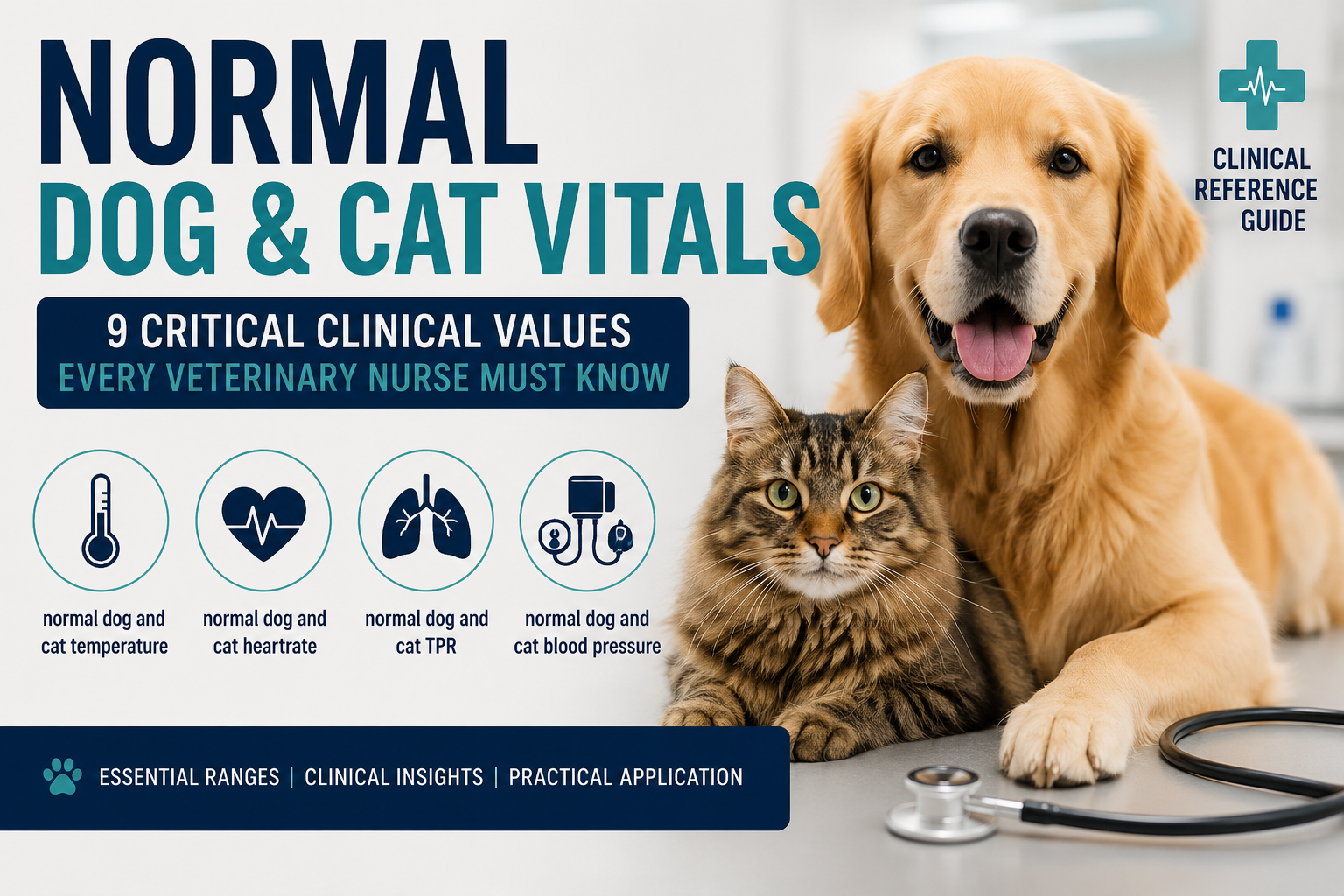 Continue reading →: Normal Dog and Cat Vitals: 9 Critical Clinical Values Every Veterinary Nurse Must Know
Accurate interpretation of patient vital signs is a core clinical skill for veterinary nurses and surgeons. Whether monitoring anaesthetised patients, triaging emergencies, or managing hospitalised cases, understanding baseline physiological parameters is essential for recognising early deterioration and guiding intervention. This guide provides a concise but clinically relevant overview of normal…
-
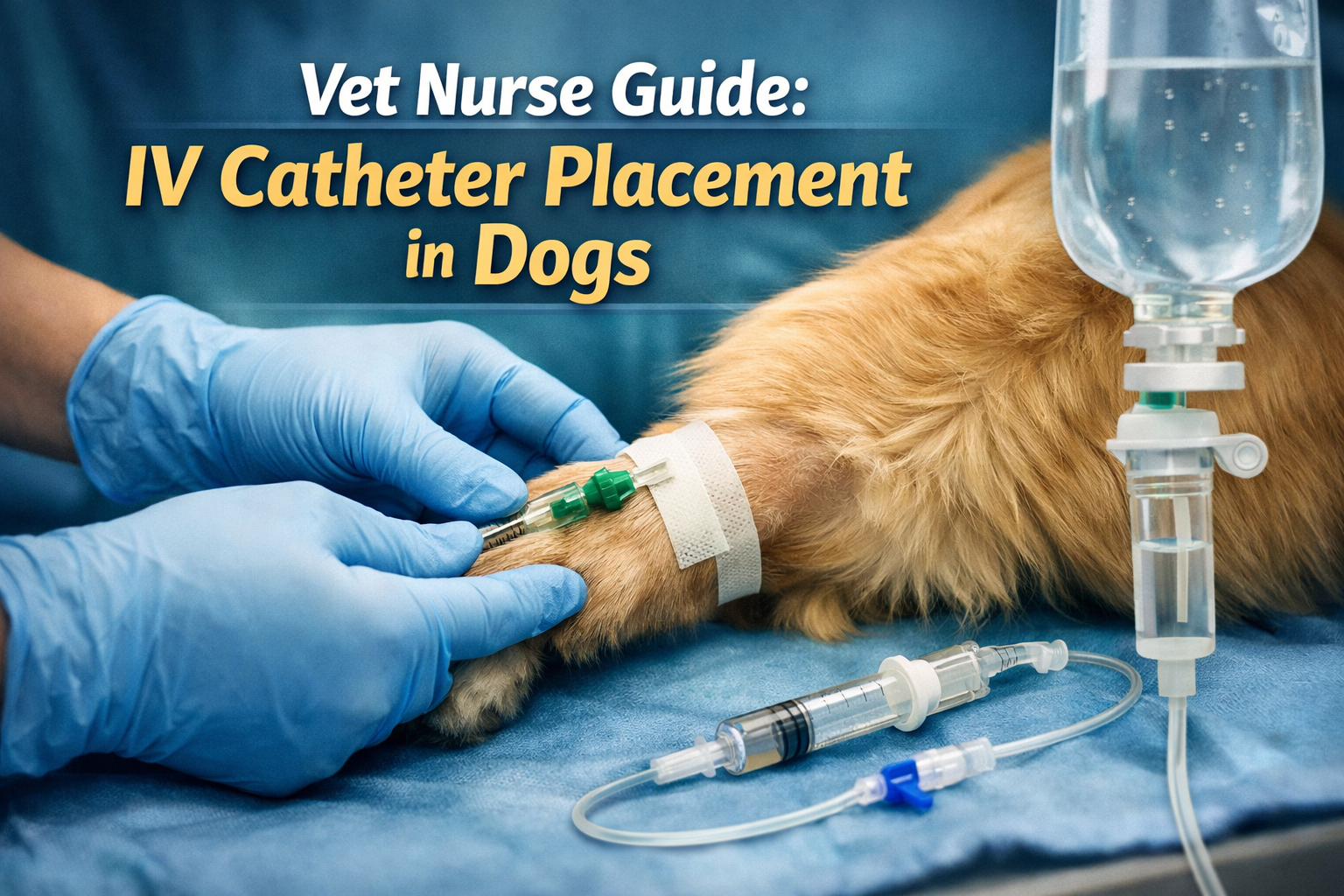 Continue reading →: IV Catheter Placement in Dogs: 10 Essential & Vital Veterinary Nursing Insights for Clinical Practice
IV catheter placement in dogs is one of the most common procedures performed in veterinary practice, forming a cornerstone of emergency care, anaesthesia, and inpatient treatment. While it is a routine intervention in clinics, successful catheter placement depends on anatomy knowledge, patient assessment, aseptic awareness, and ongoing monitoring rather than…
-
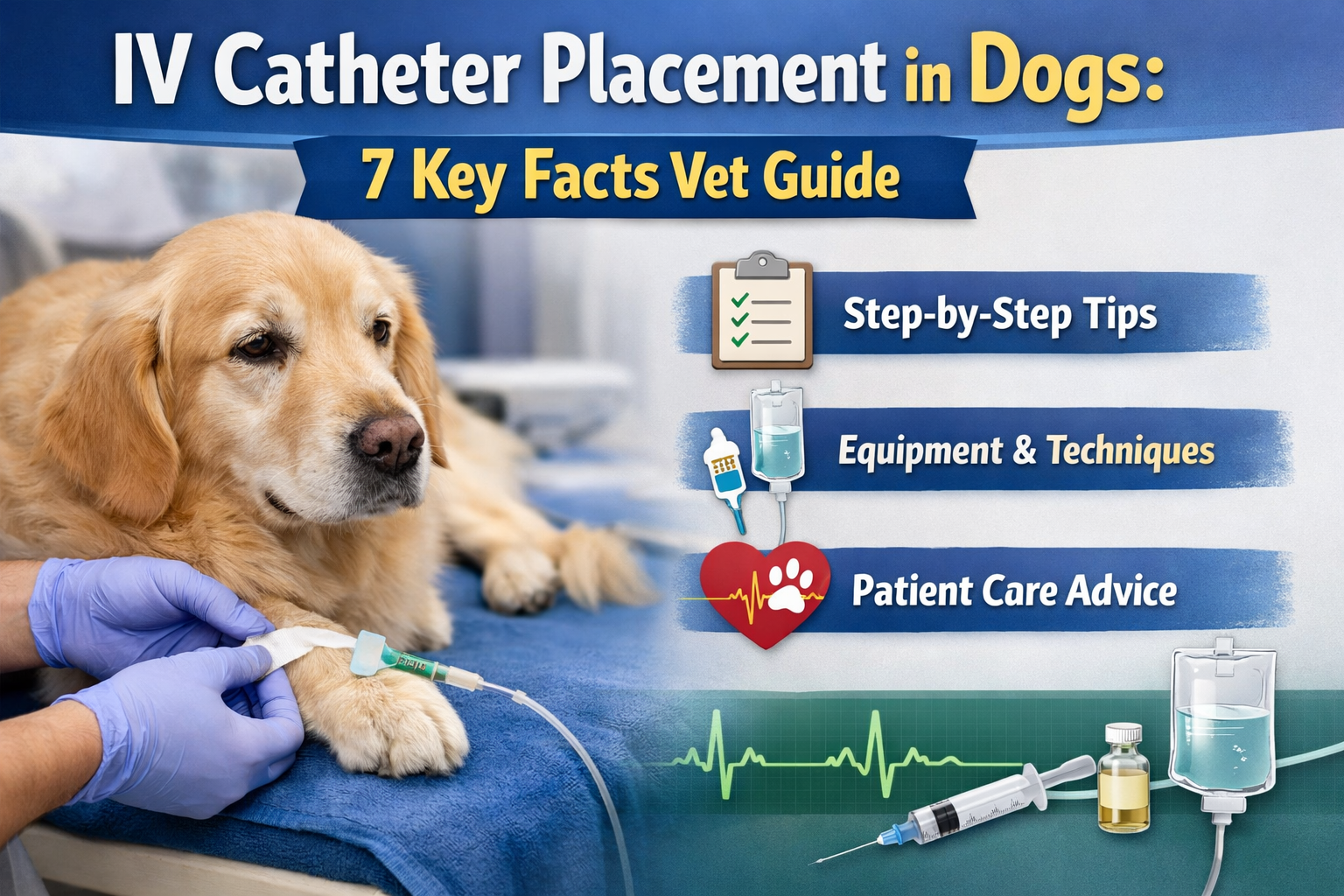 Continue reading →: IV Catheter Placement in Dogs: 7 Key Facts Vet Guide
Intravenous (IV) catheter placement in dogs is a routine but highly skilled veterinary procedure used in clinics, emergency hospitals, and surgical settings. It allows vets to deliver fluids, medications, and anaesthesia directly into the bloodstream for fast and reliable effect. While many pet owners search for information about how it…
-
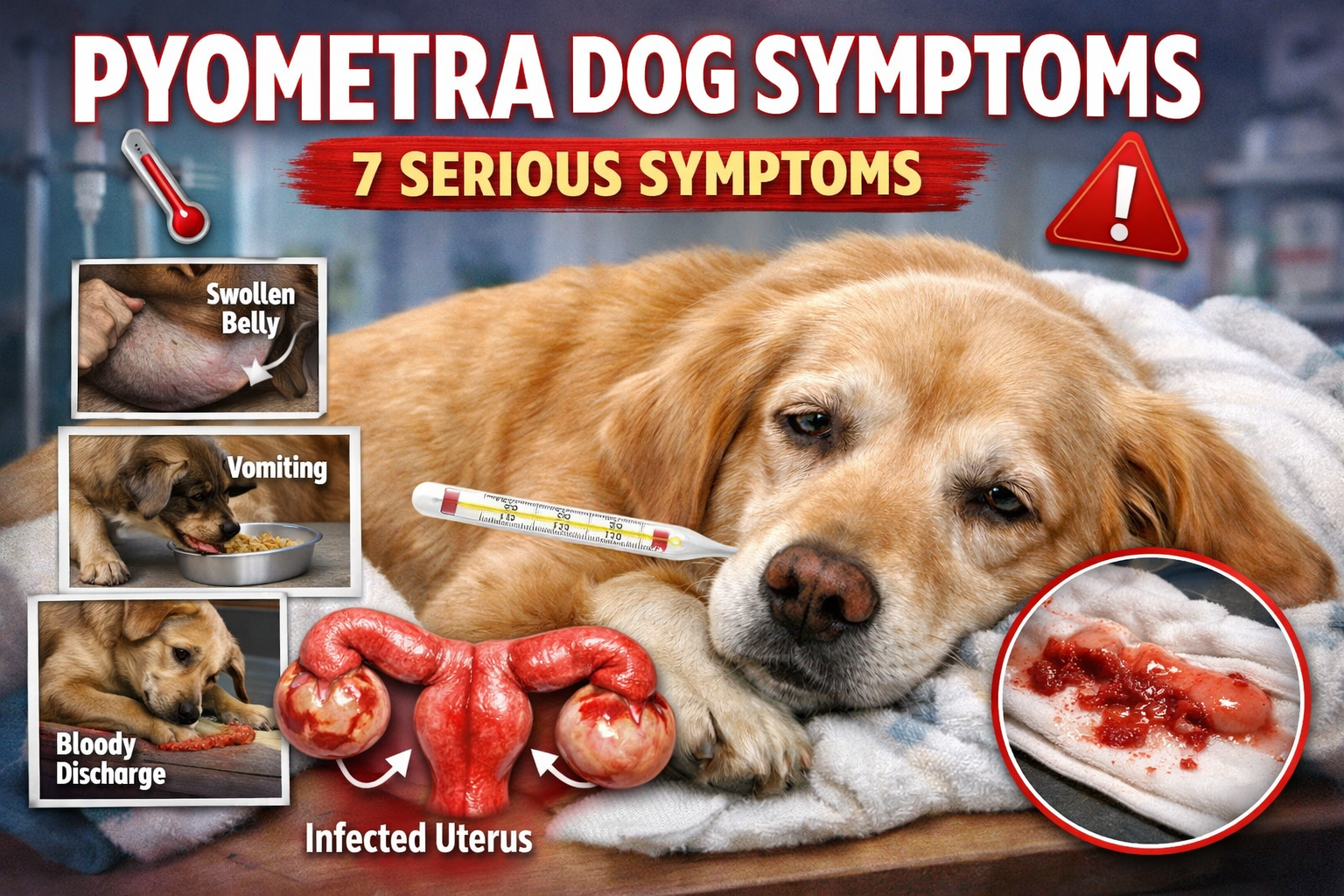 Continue reading →: 7 Serious Pyometra Dog Symptoms You Should Never Ignore (A Life-Saving Guide for Pet Owners)
Pyometra is one of the most serious reproductive emergencies in dogs, and it can become life-threatening very quickly if not treated. Many pet owners don’t realise how fast it develops or how subtle the early signs can be, which is why understanding pyometra dog symptoms could genuinely save your dog’s…

Veterinary approved content.
Hello,
Welcome to
Paws and Pet Hub

Our mission is simple: to help pets live happier, healthier lives while supporting the people who care for them — from vet nurses and veterinary professionals to pet owners of all experience levels.
Time to explore!
Edited and approved content by veterinary professionals.
Join the fun!
Stay updated with our posts by joining our newsletter.